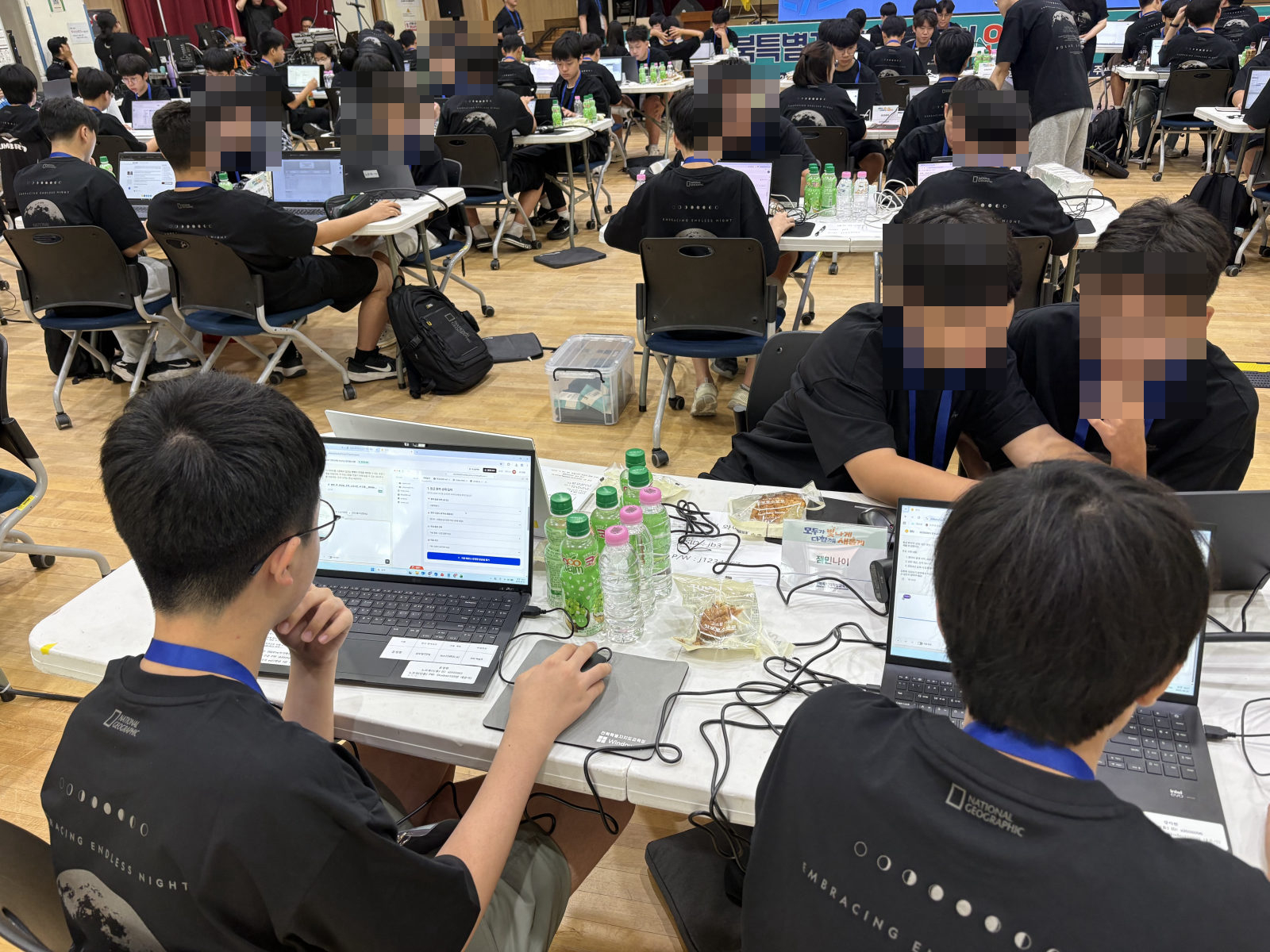
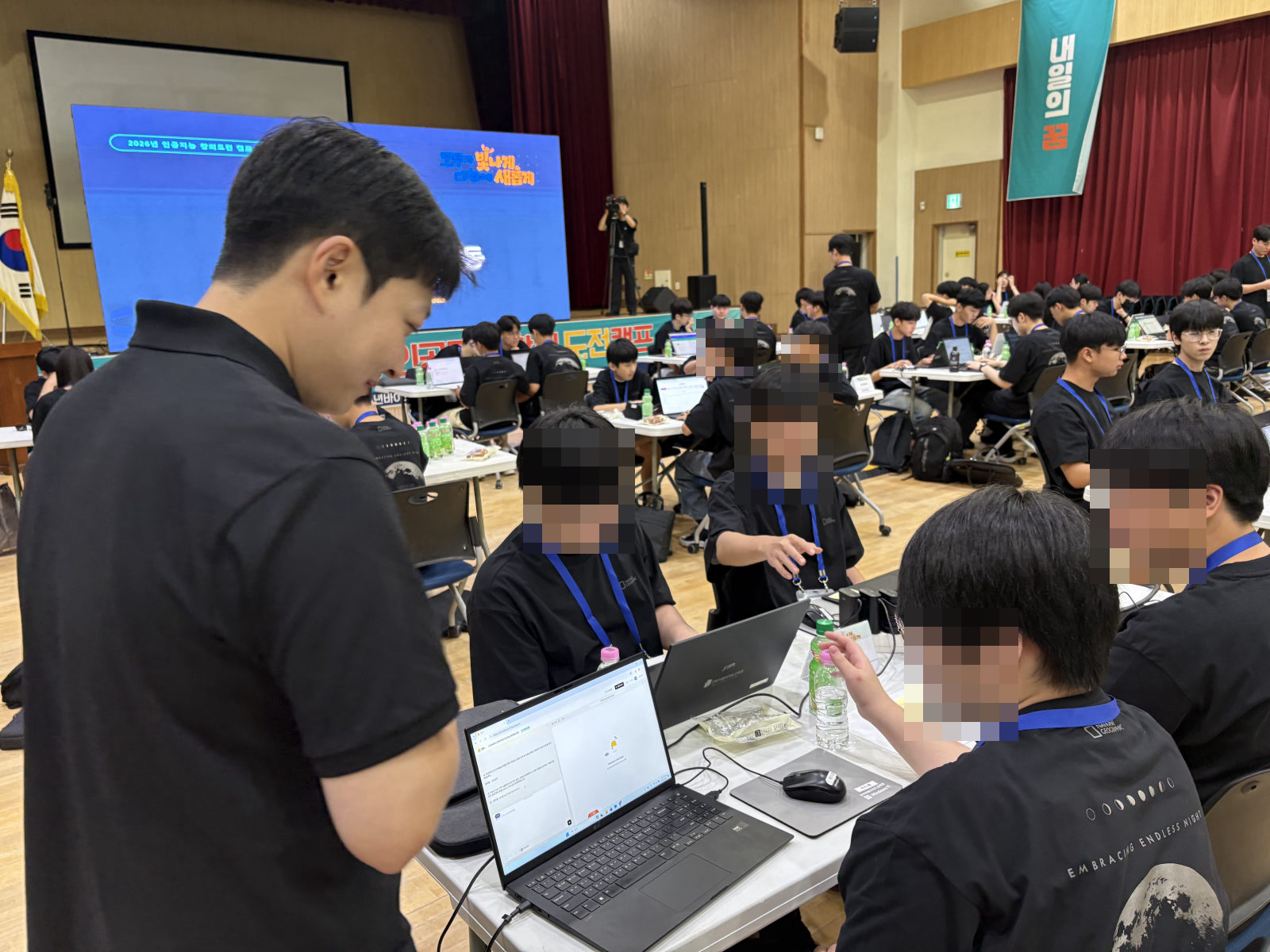
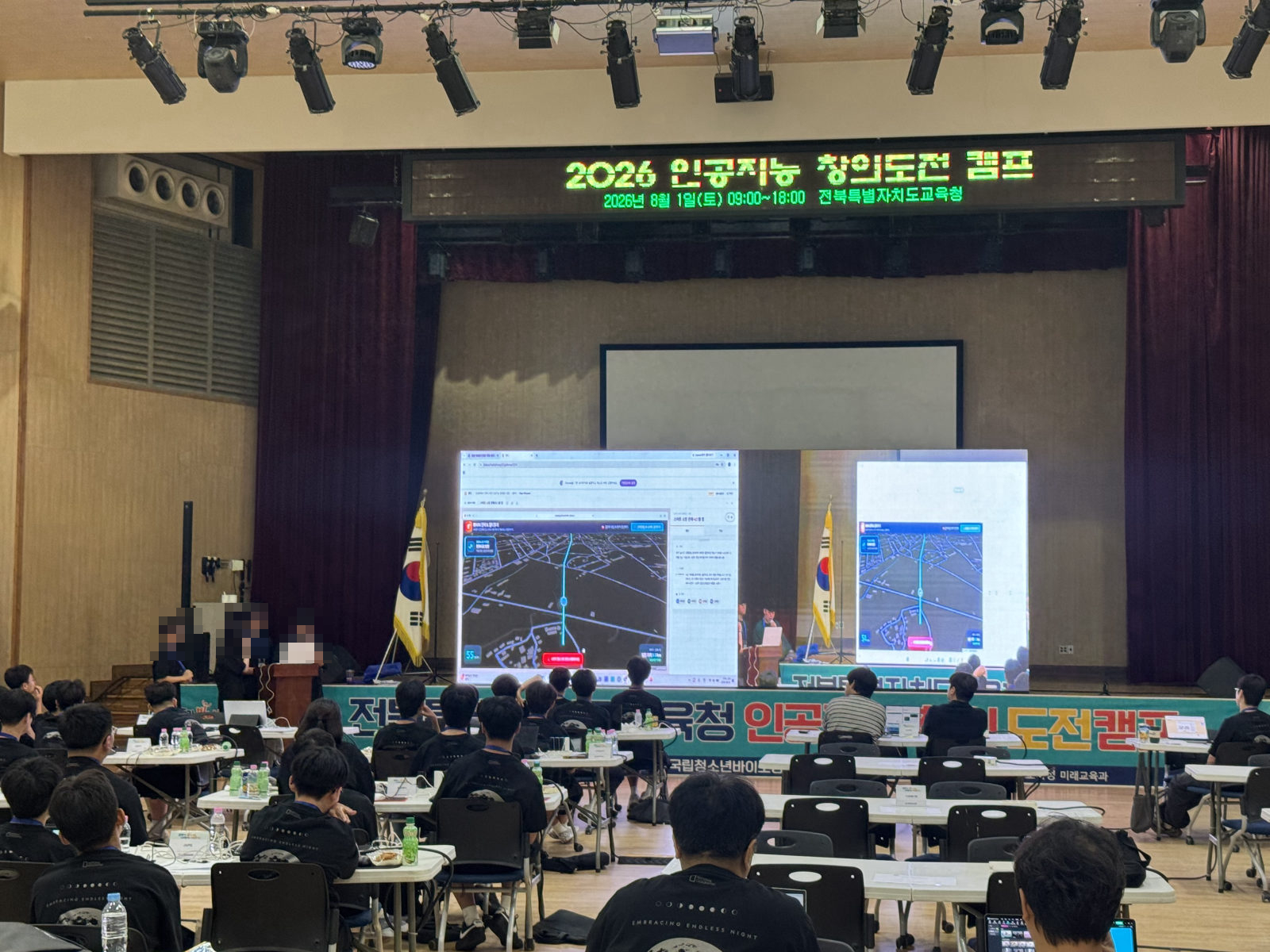
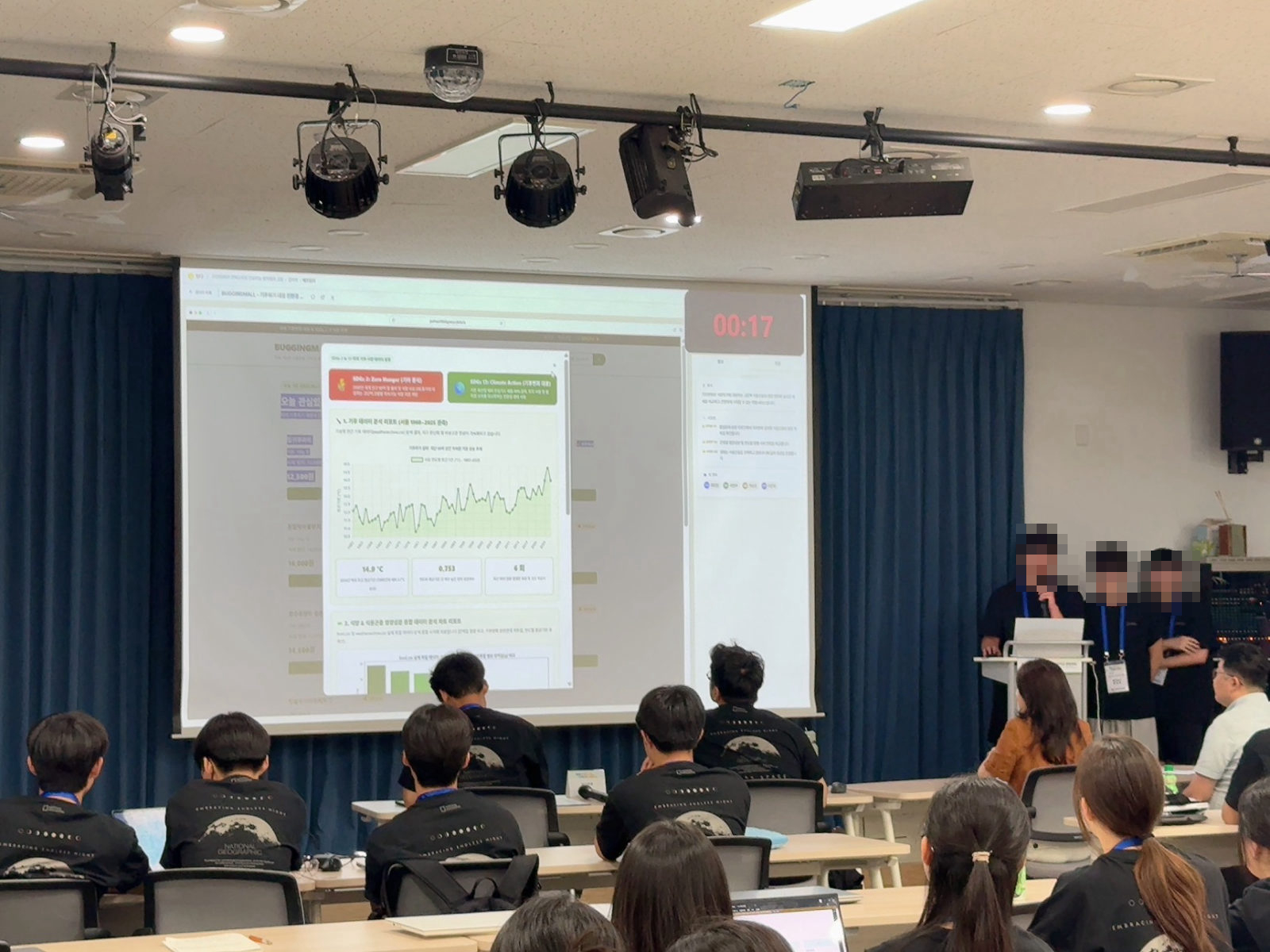
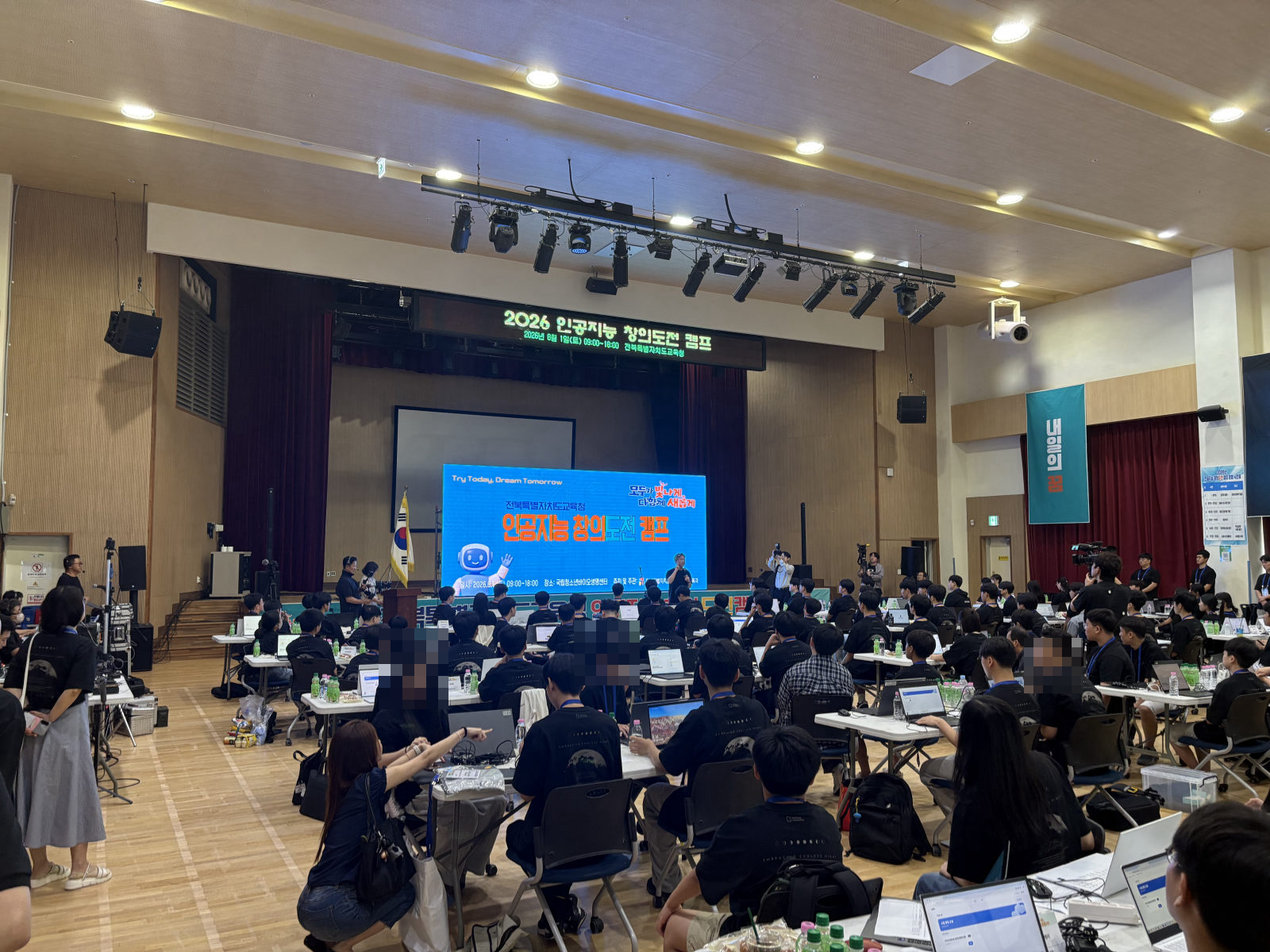
Students at laptops in the auditorium where the Jeonbuk AI Creative Challenge Camp was held

An office of education
hosted a vibe coding hackathon:
112 students built
28 apps in a day.

This is not a contest about typing code.
It is a vibe coding hackathon, where students build apps by talking with an AI.
The Jeonbuk State Office of Education called in middle and high schoolers from across the province,
and after two days of pre-training in late June, all 28 teams finished a working app on August 1.

Host
Jeonbuk State Office of Education
Date
Aug 1One main day · two pre-training sessions
Participants
0 studentsMiddle and high schoolers in the province
Completed
0 teams15 middle-school · 13 high-school
Run by
JitdaRan the camp end to end
Schedule
Theme · Sustainable cities and food

Each school level was given
a different theme.

Over a weekend in late June we ran the pre-training first, split between middle and high school.
On the main day the teams built their apps in the morning, and in the afternoon all 28 took the stage.

Jun 27–28, 14:00–17:00

Pre-training

Run separately for middle and high school

Aug 1, 09:30–13:00

Main hackathon session

Teams building their apps with vibe coding

13:00–14:00

Lunch

14:00–17:30

Presentations · judging

All 28 teams present · 4 judges

The theme of this camp
Middle school · 15 teams
Sustainable cities and communities

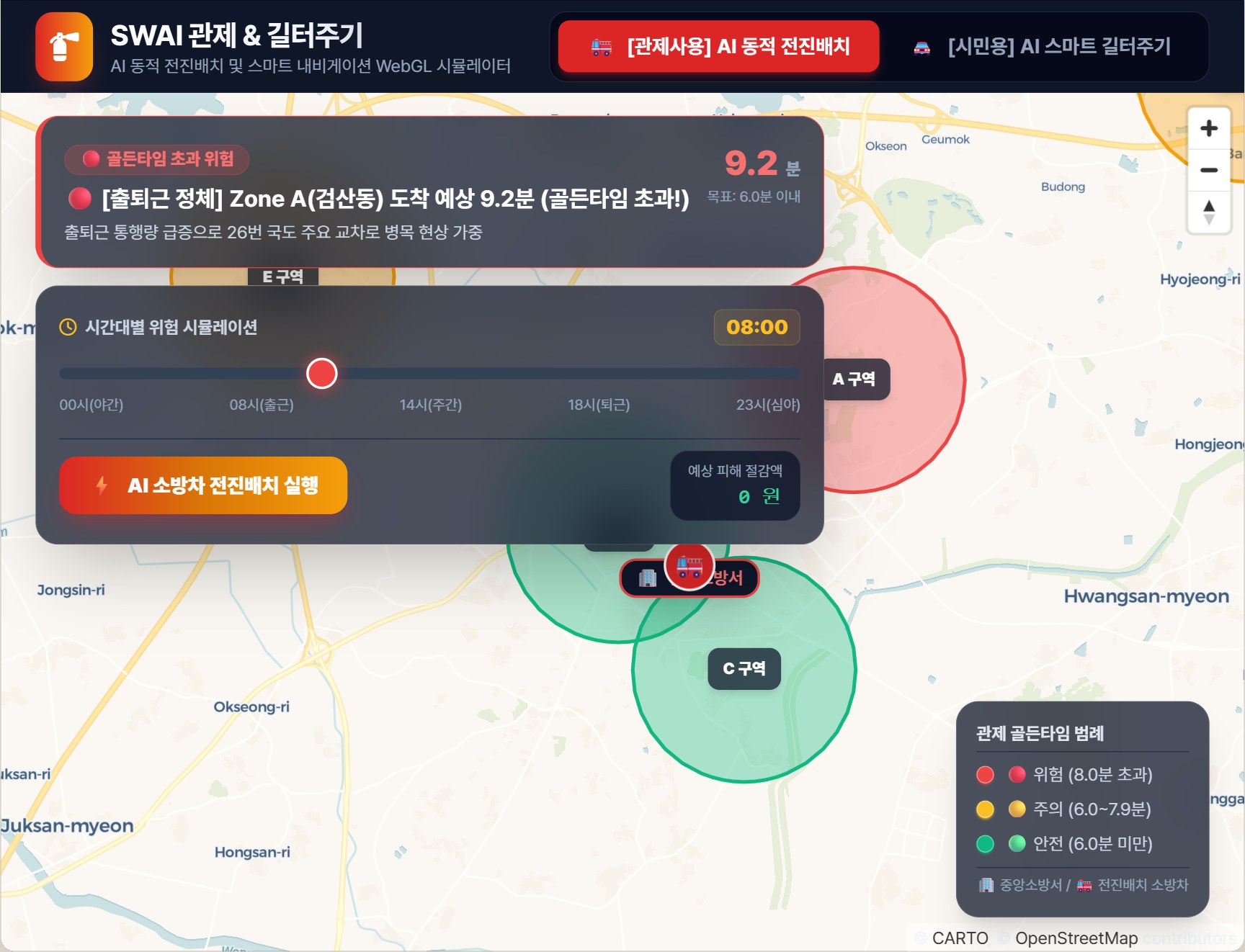
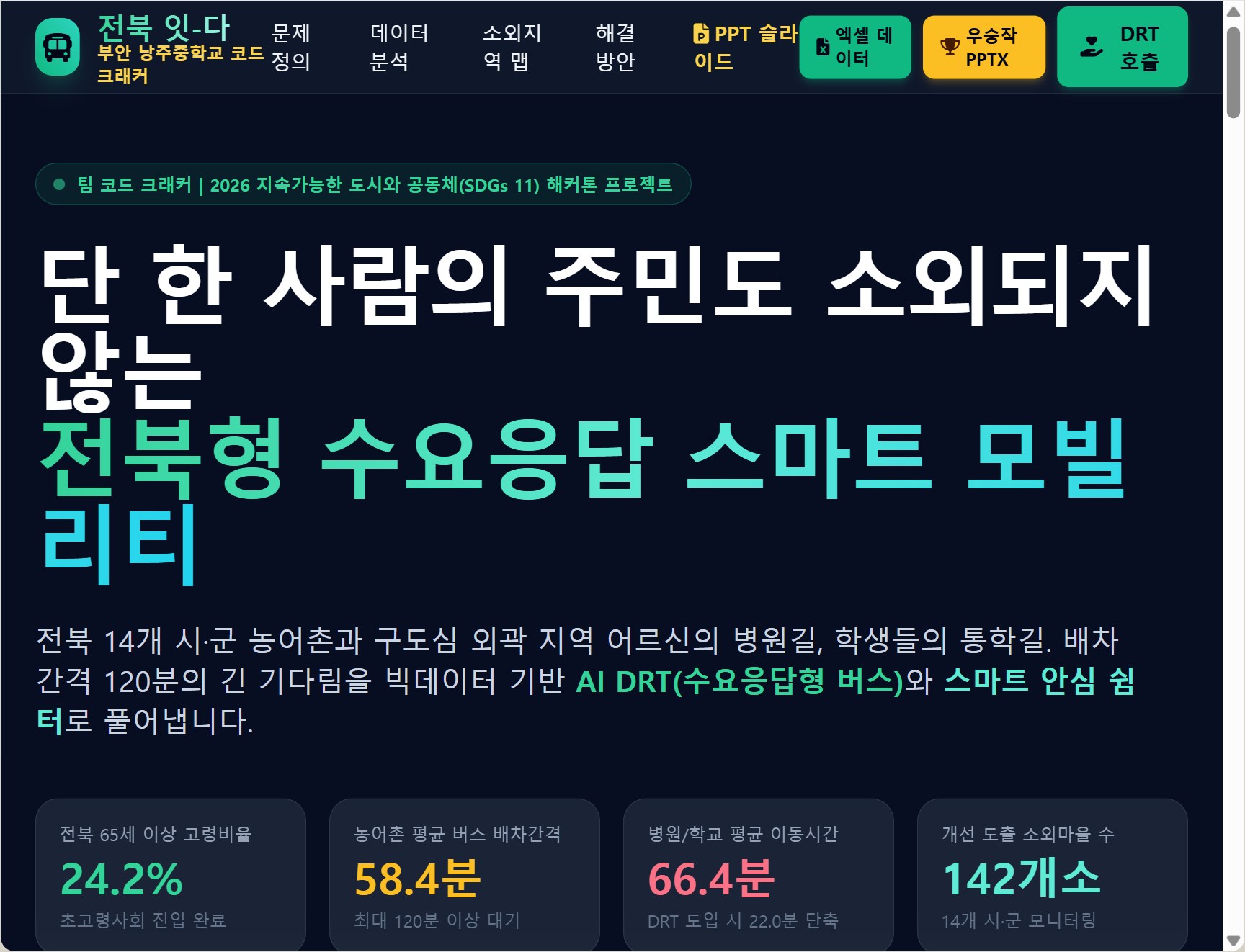
They picked problems in the cities they live in. A lot of the topics sat inside their daily radius — moving fire engines closer in advance, demand-responsive buses, a recycling game.

High school · 13 teams
Sustainable food and climate response

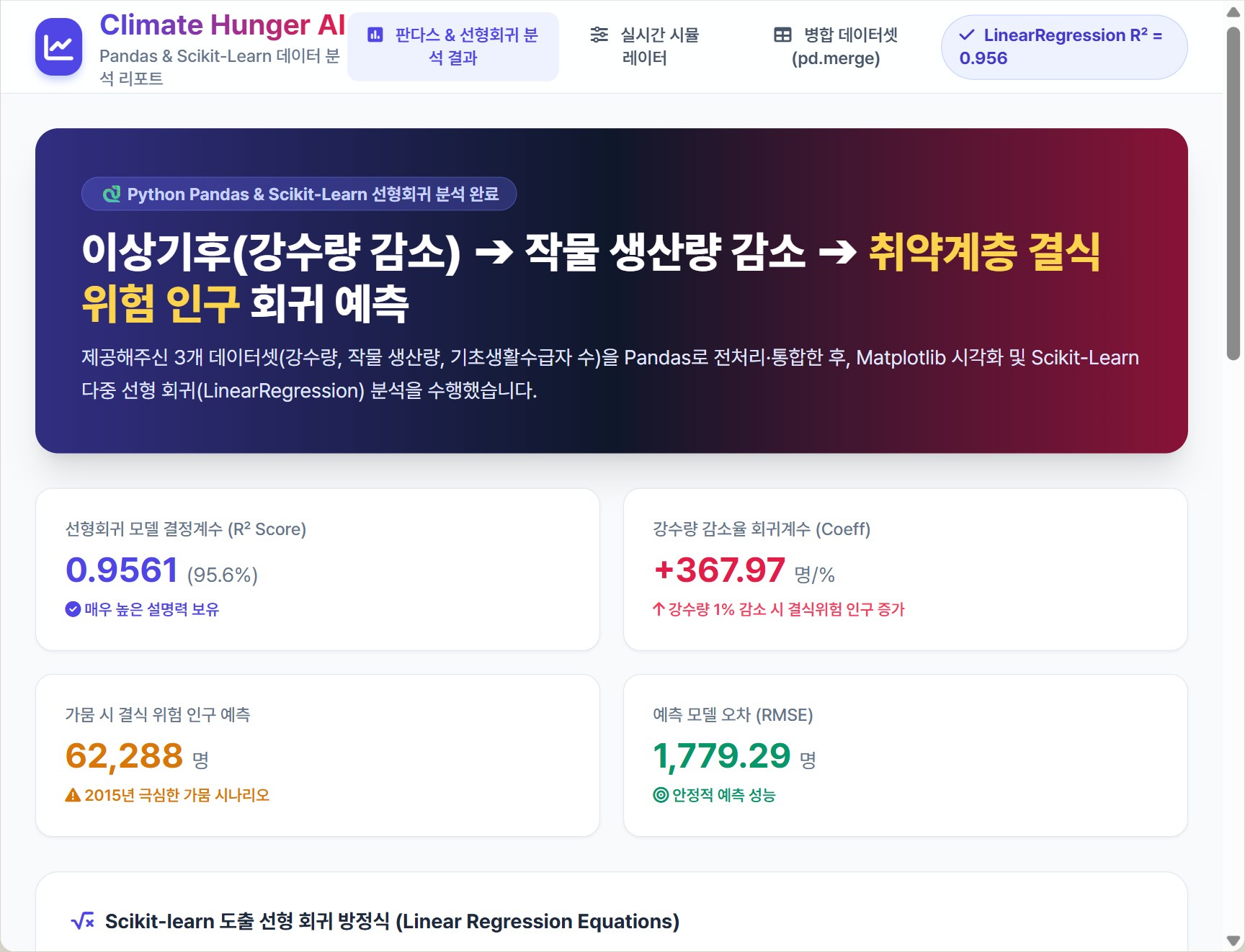
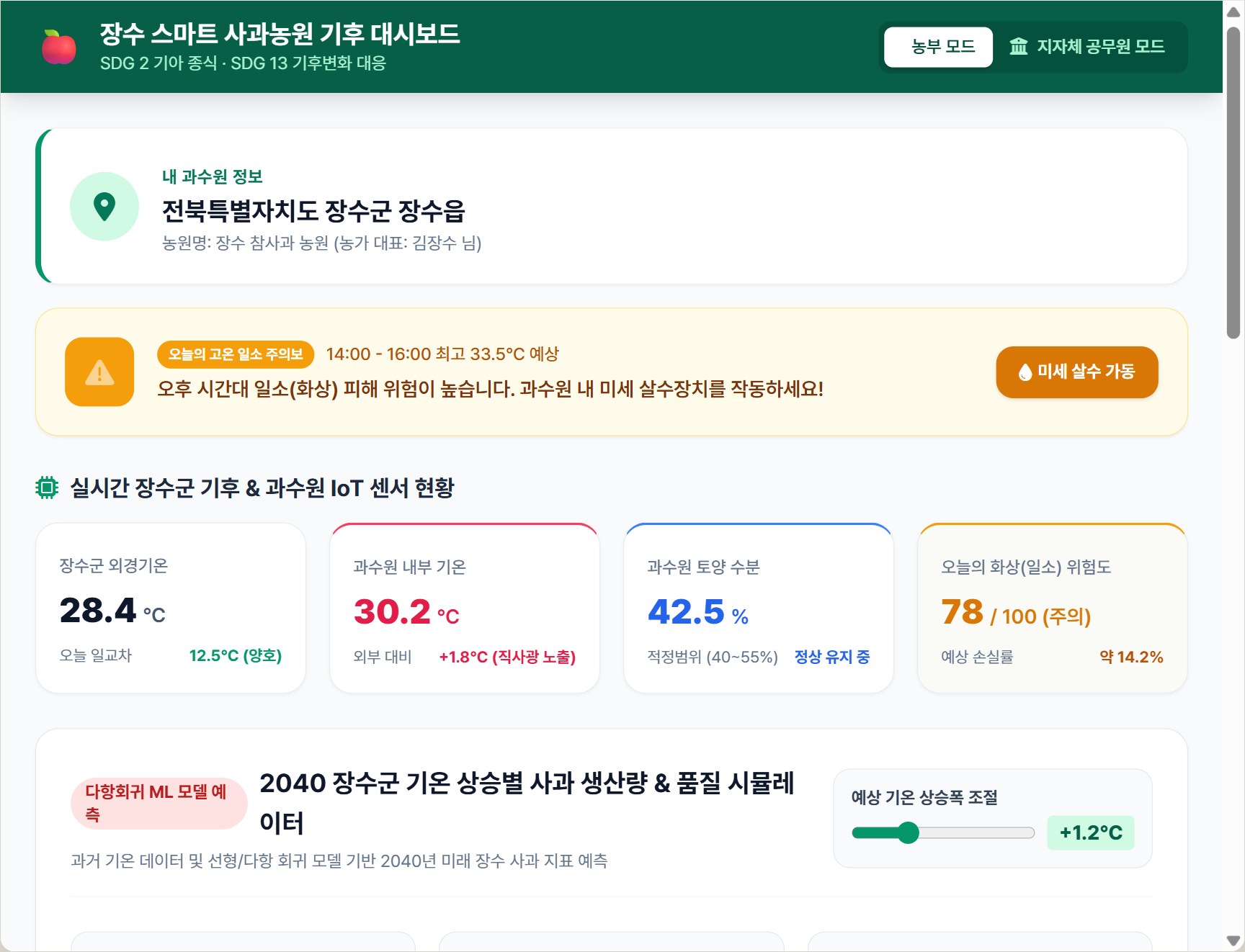
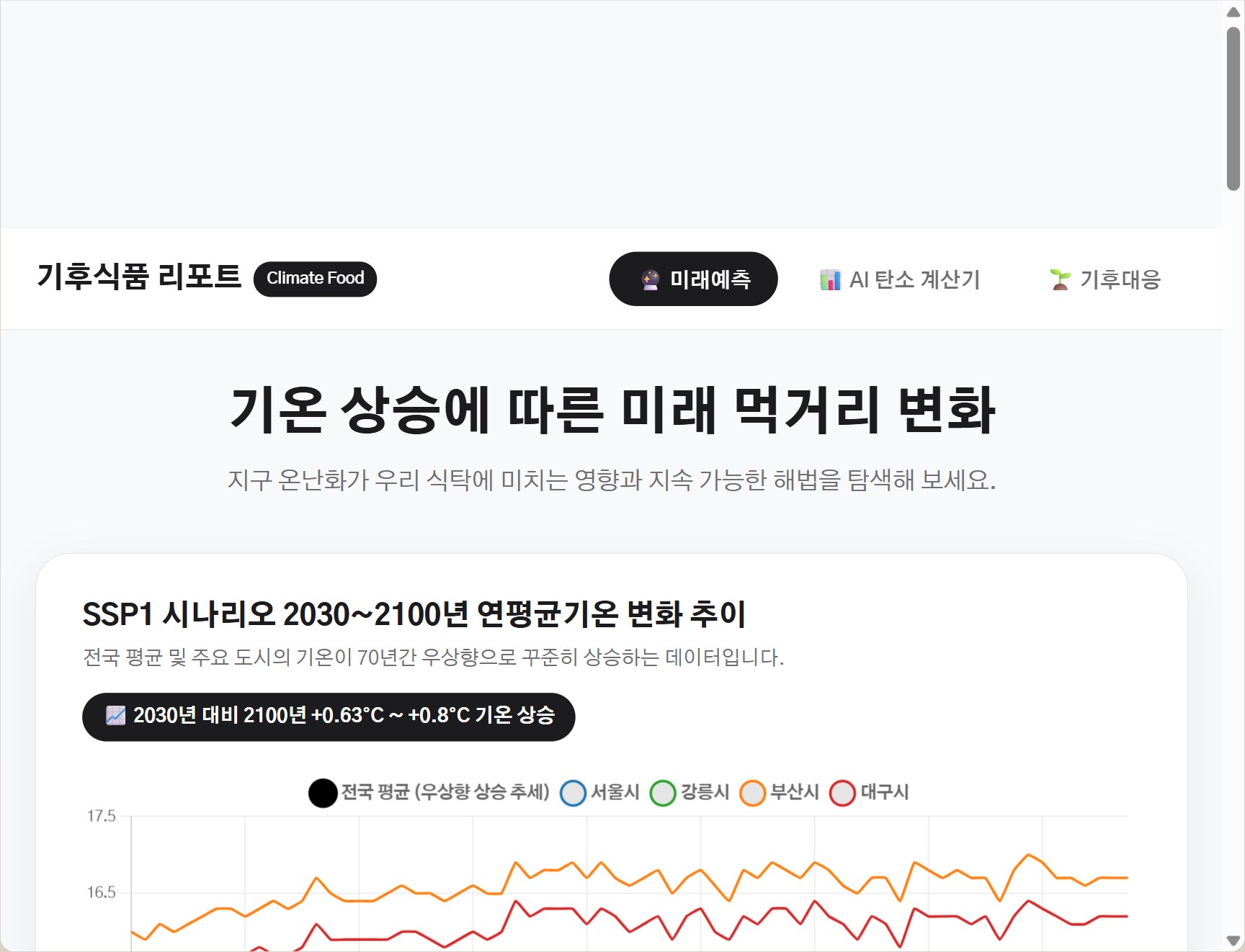
They tied climate data to food. What came out analysed public data — predicting the risk of skipped meals, simulating an apple orchard.

Two themes ran side by side, same day, same room.
The middle schoolers dug into what makes a city awkward, the high schoolers into the data,
and the two tracks produced work with a clearly different grain.

What this camp built
Defining a problem with data · using generative AI · team collaboration · presenting
Student work

The apps the students built,
open them yourself.

These are the projects built on Jitda during the camp and published to the gallery.
Nobody typed the code; each one came out of a day of talking with an AI.
Click a card to see the real screen up close.

스마트 소방 관제시스템
4 students
전북 잇다
4 students
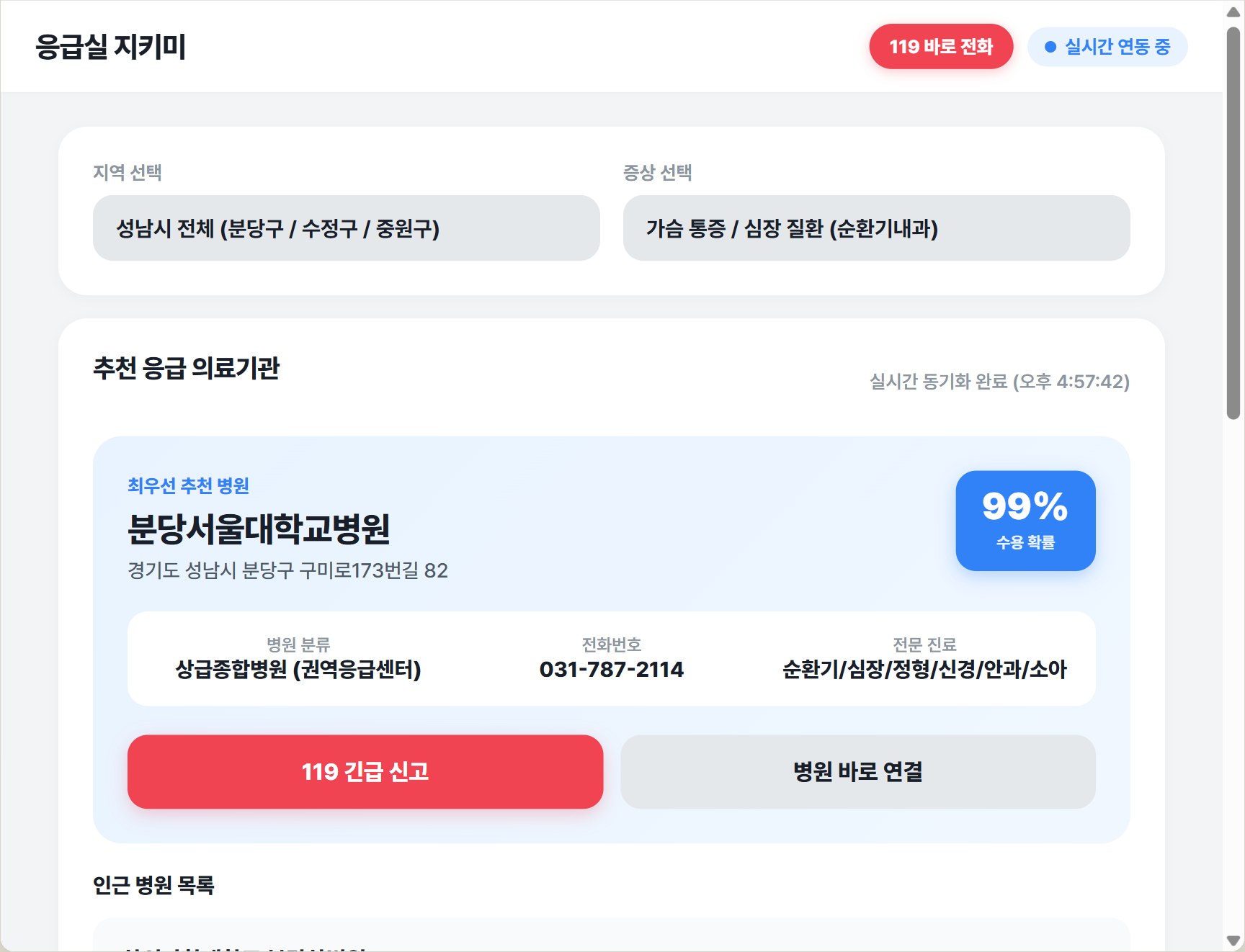
응급실 지키미
4 students
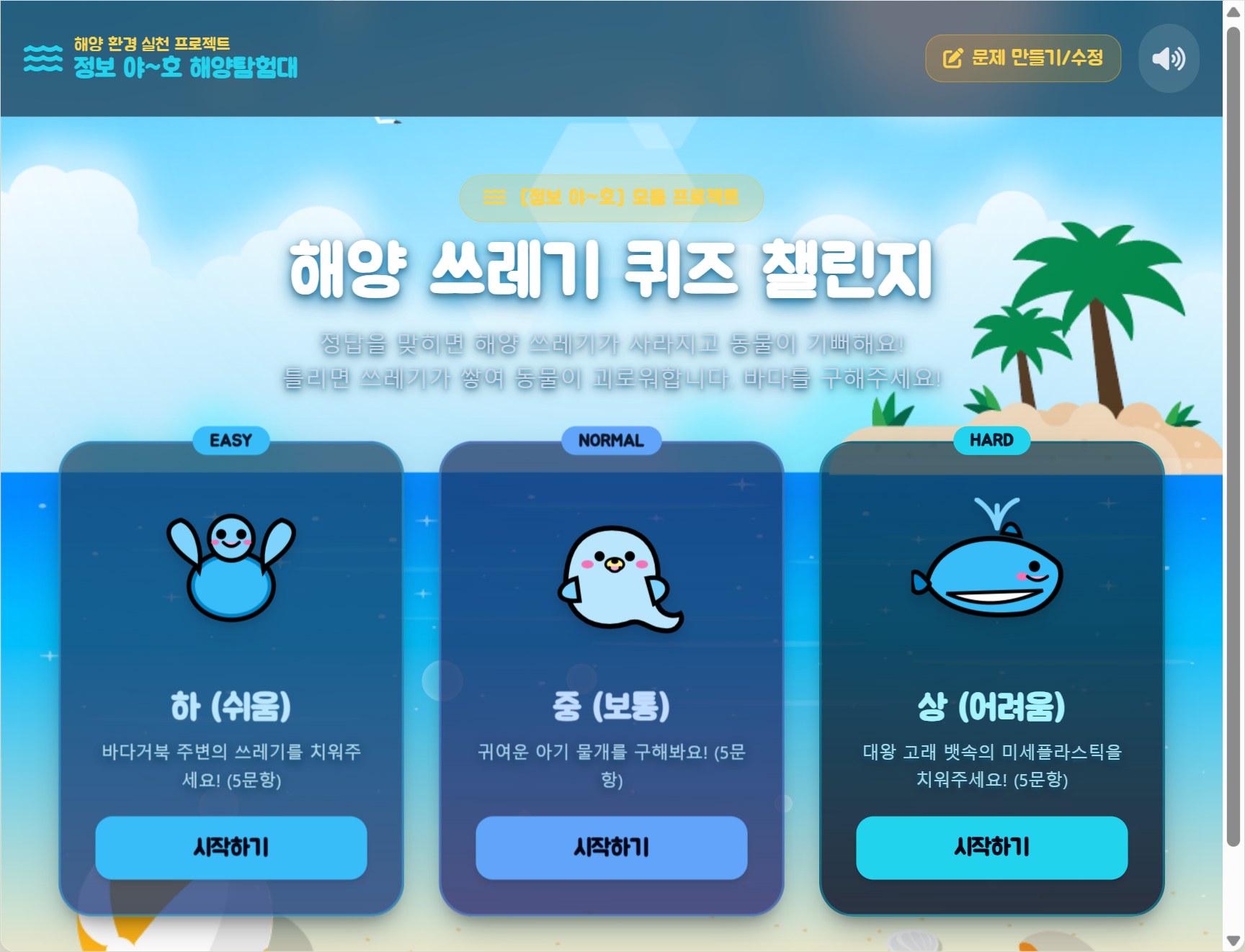
정보 야~호
4 students
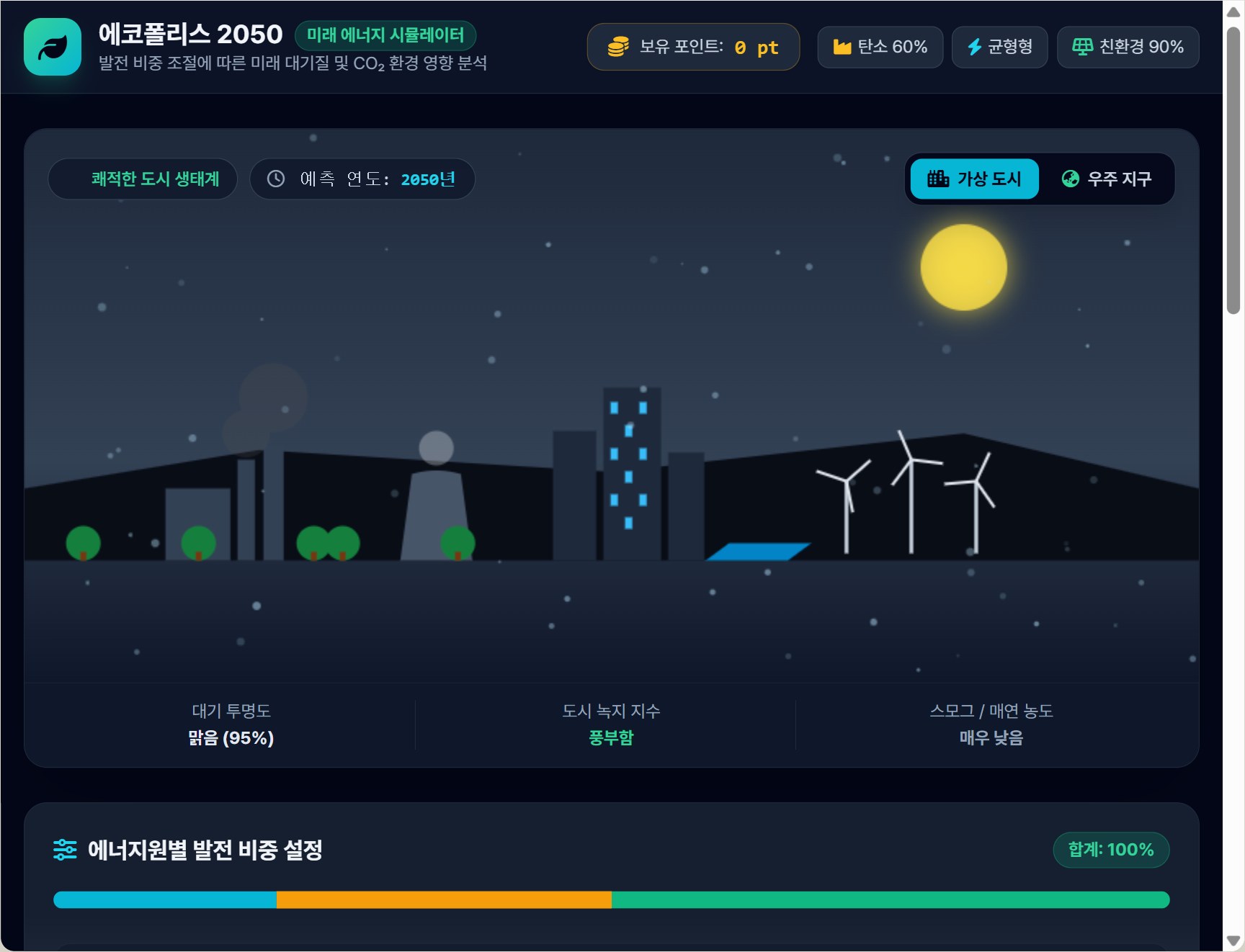
에코폴리스 2050
4 students
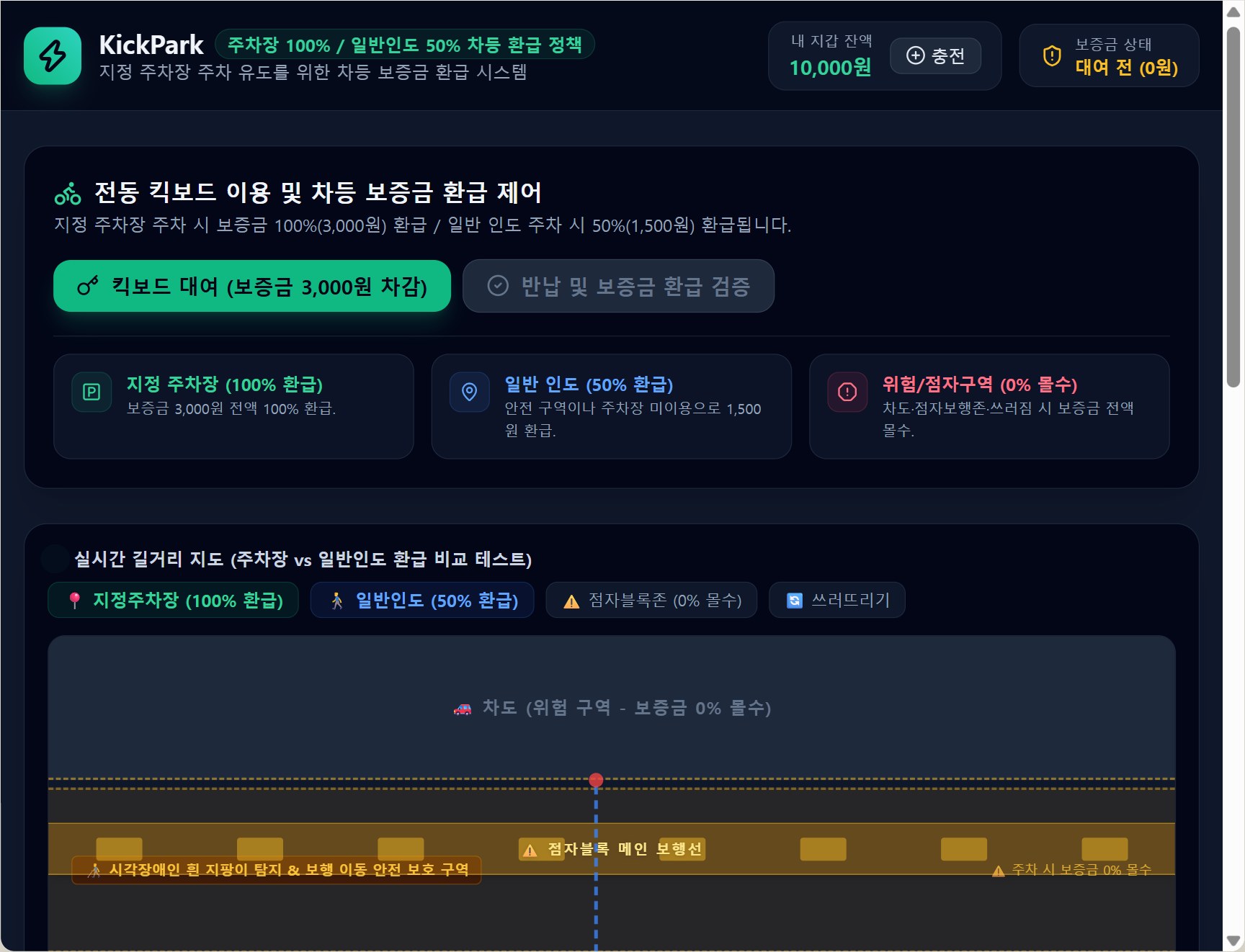
KickPark
4 students
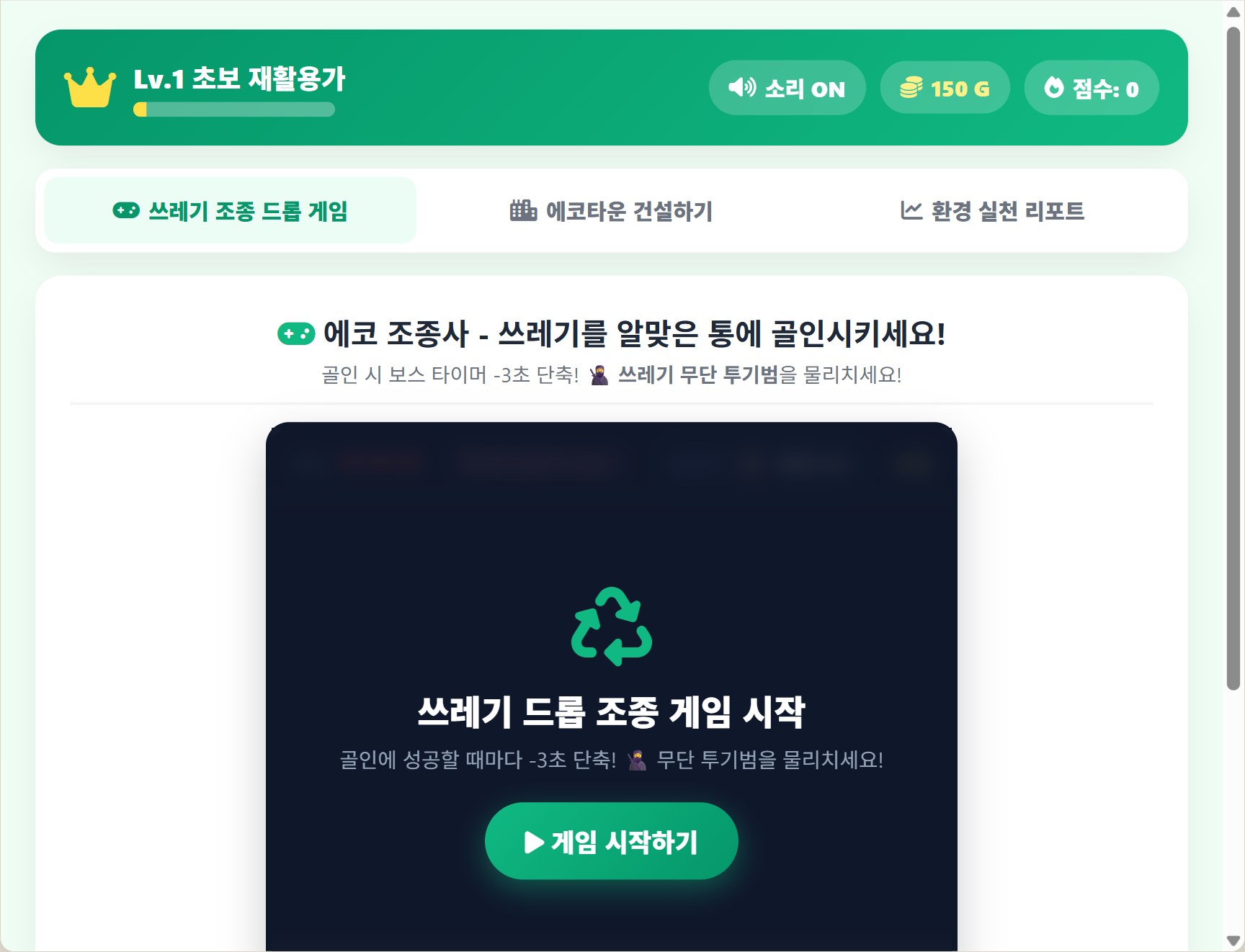
쓰레기 테트리스
4 students
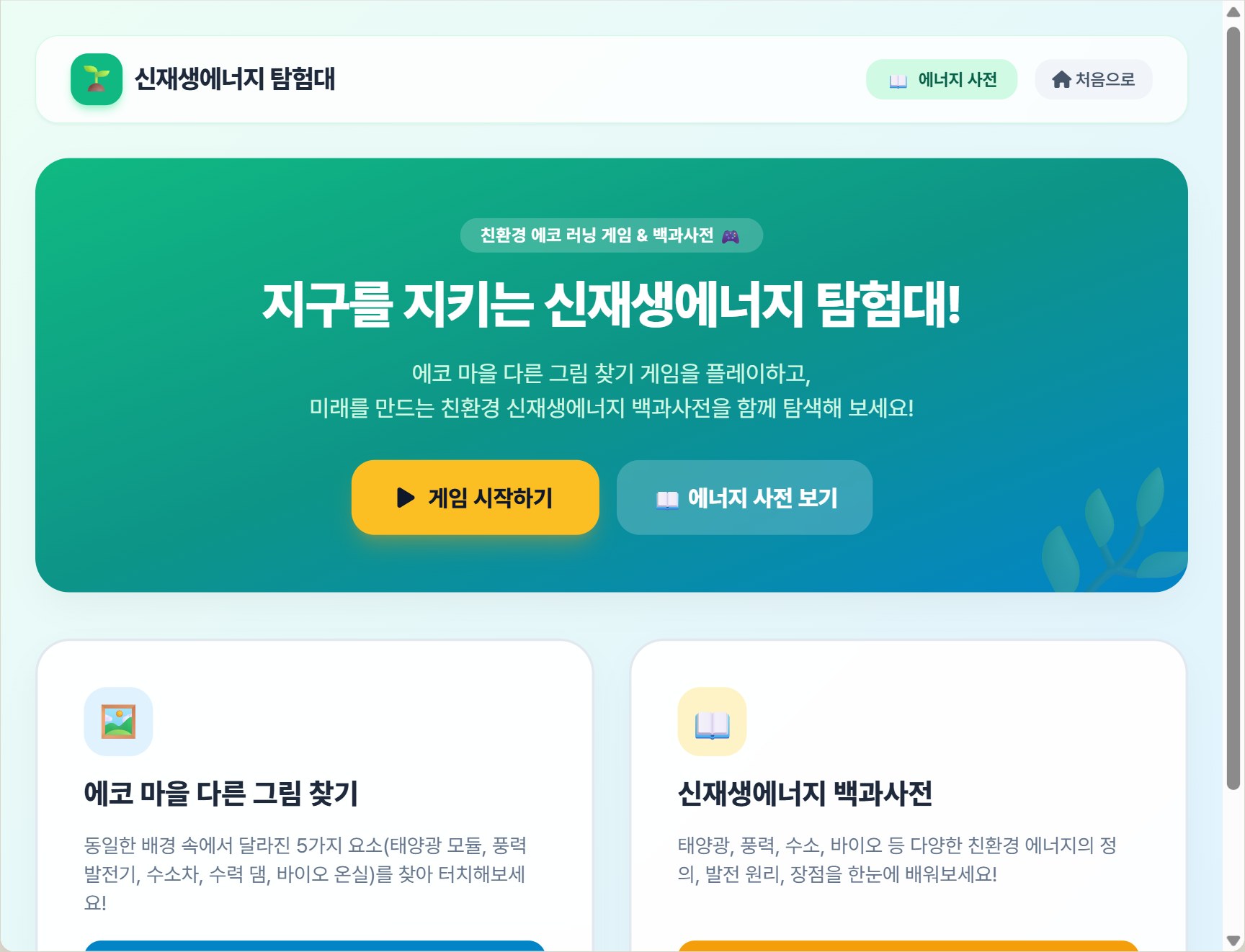
신재생에너지 탐험대
4 students
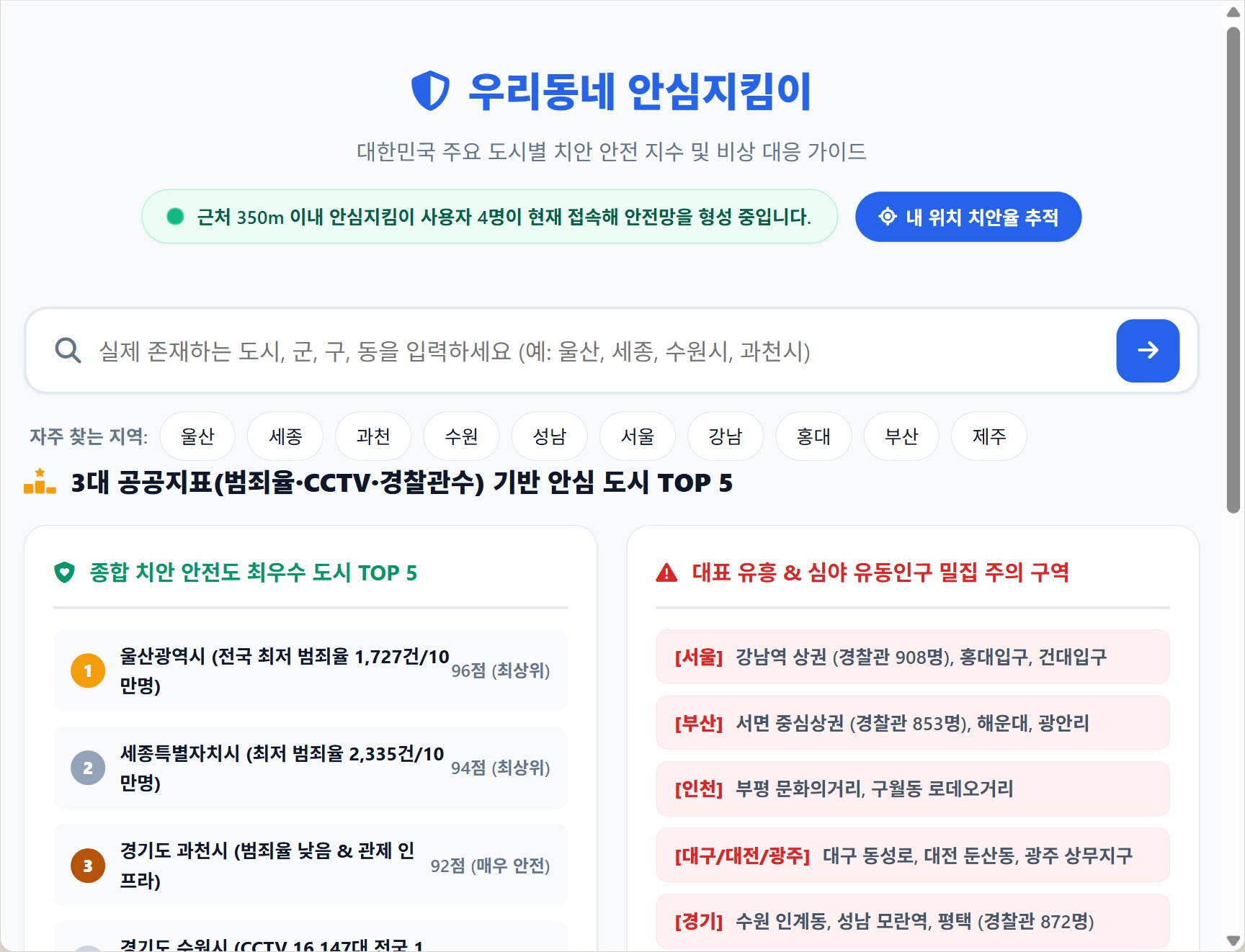
우리동네 안심지킴이
4 students
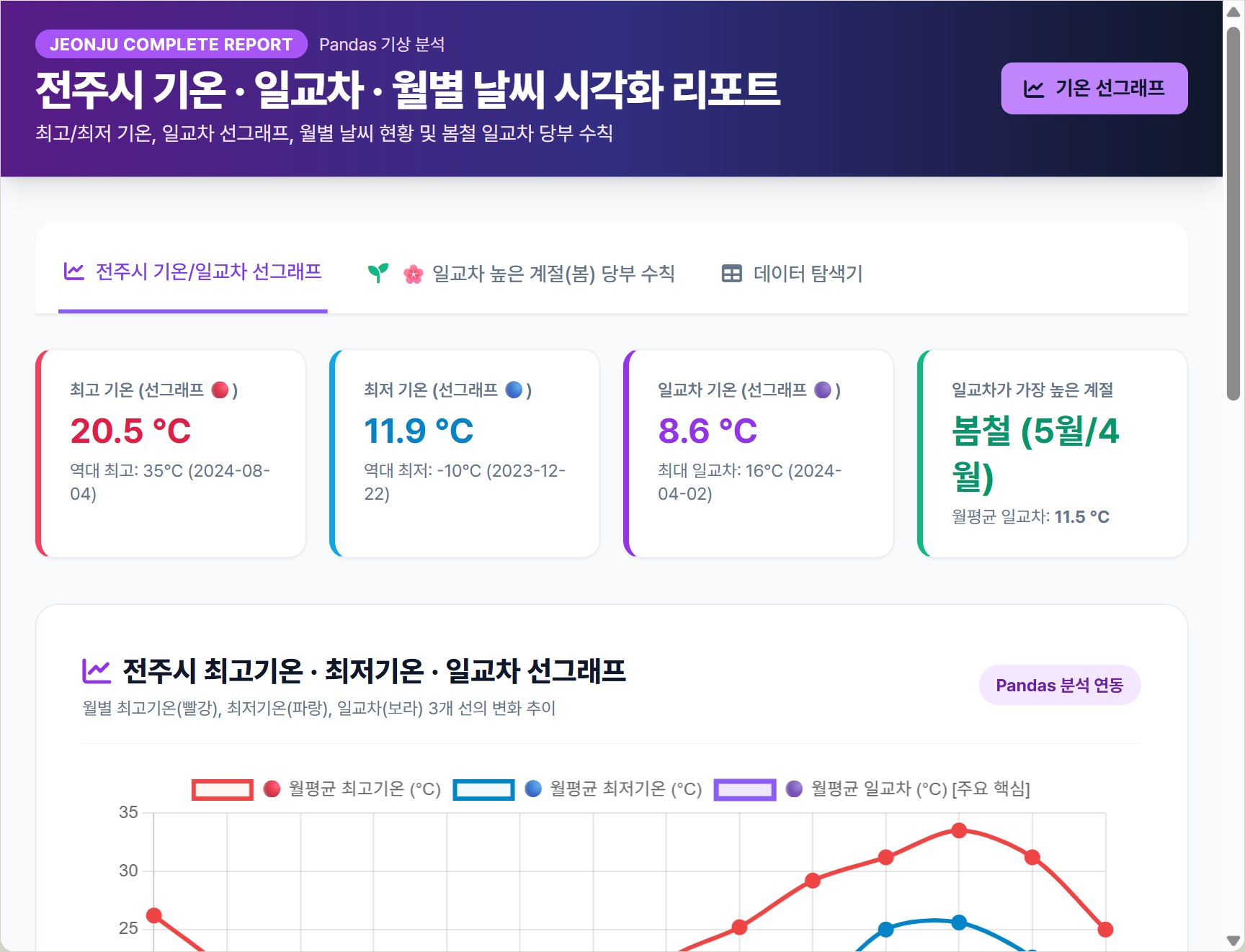
전주시 기온·일교차 리포트
4 students
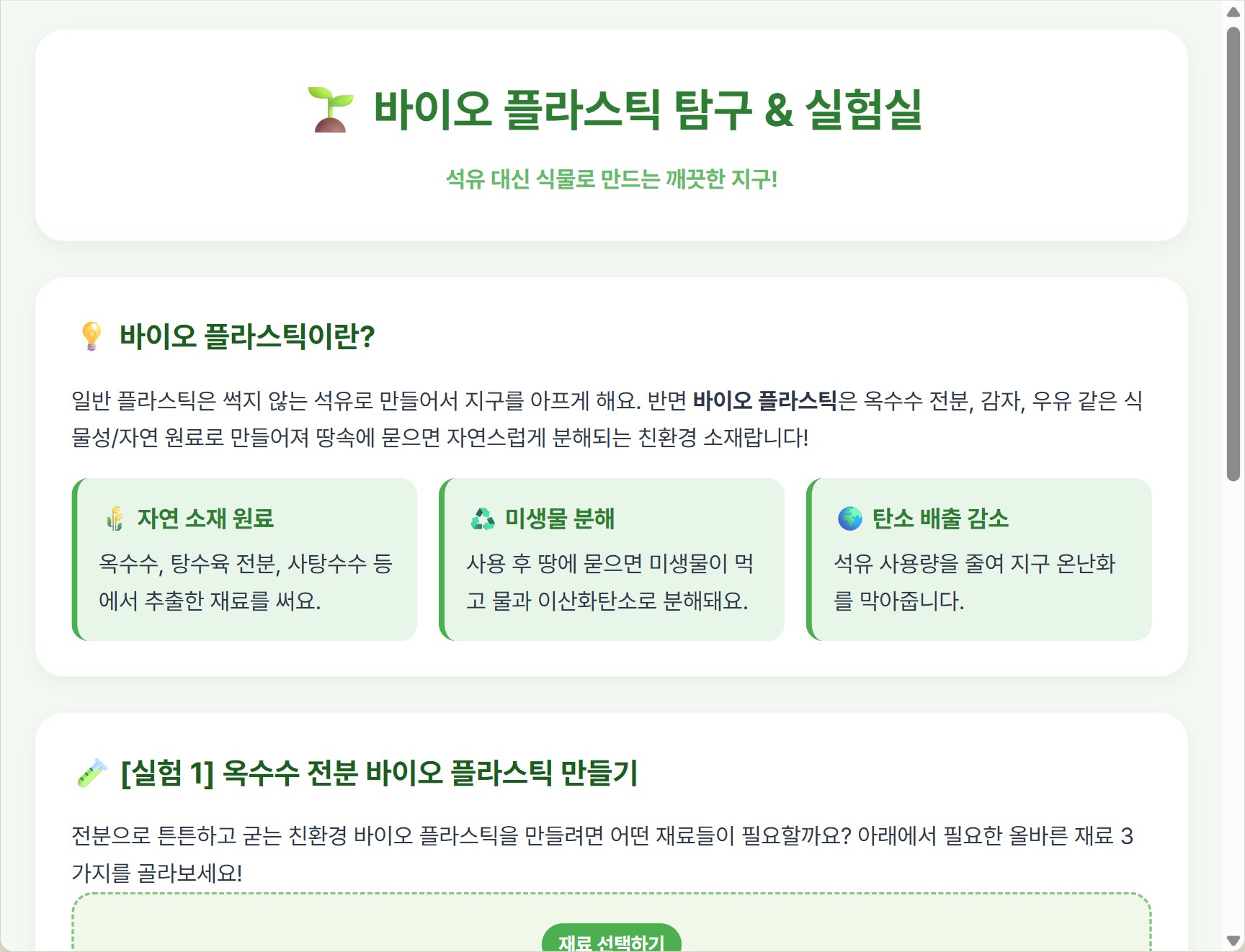
바이오 플라스틱 실험실
4 students
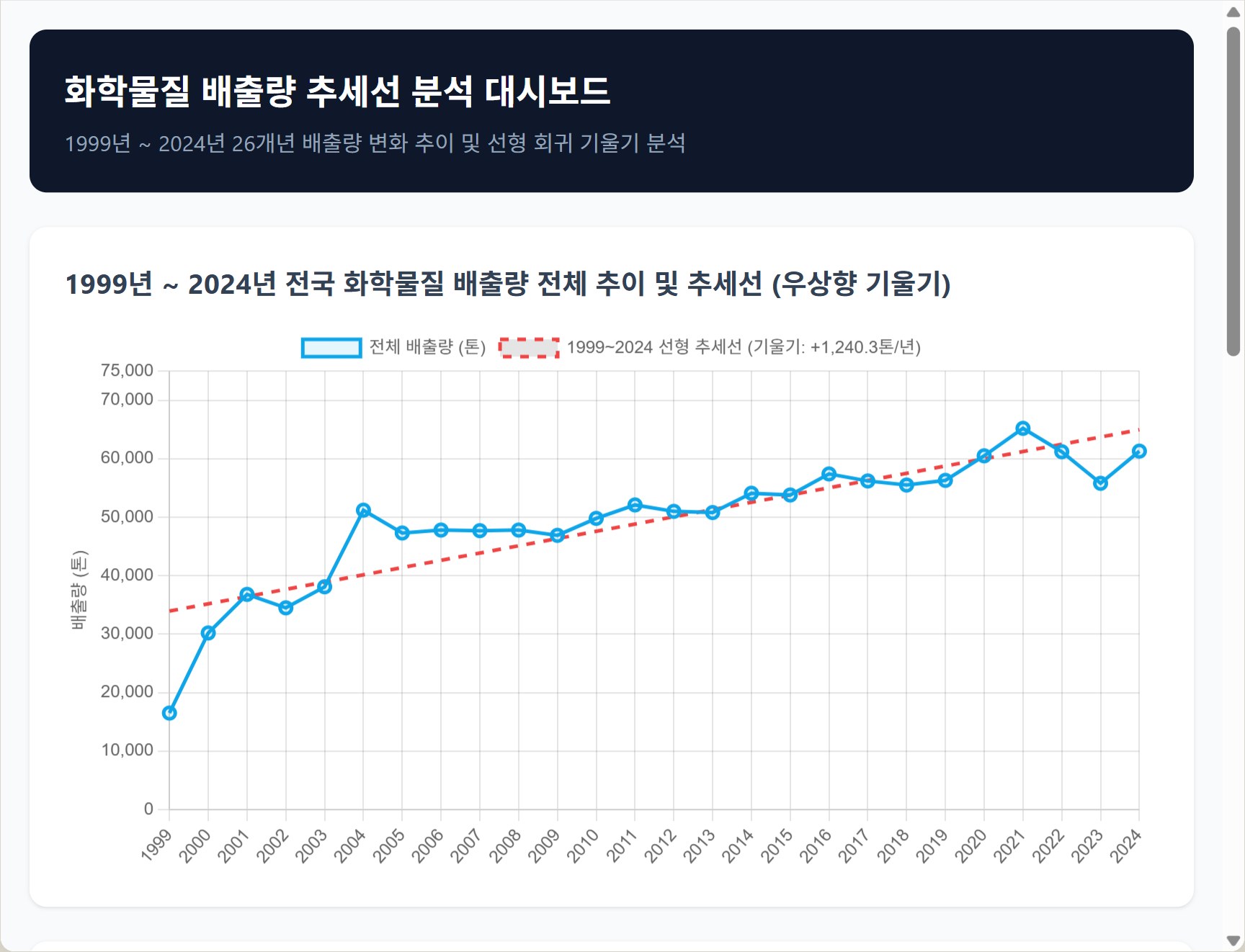
화학물질 배출량 대시보드
4 students
결식 위험 예측 서비스
4 students
스마트 사과 과수원 대시보드
4 students
기후 변화에 따른 미래 먹거리
4 students
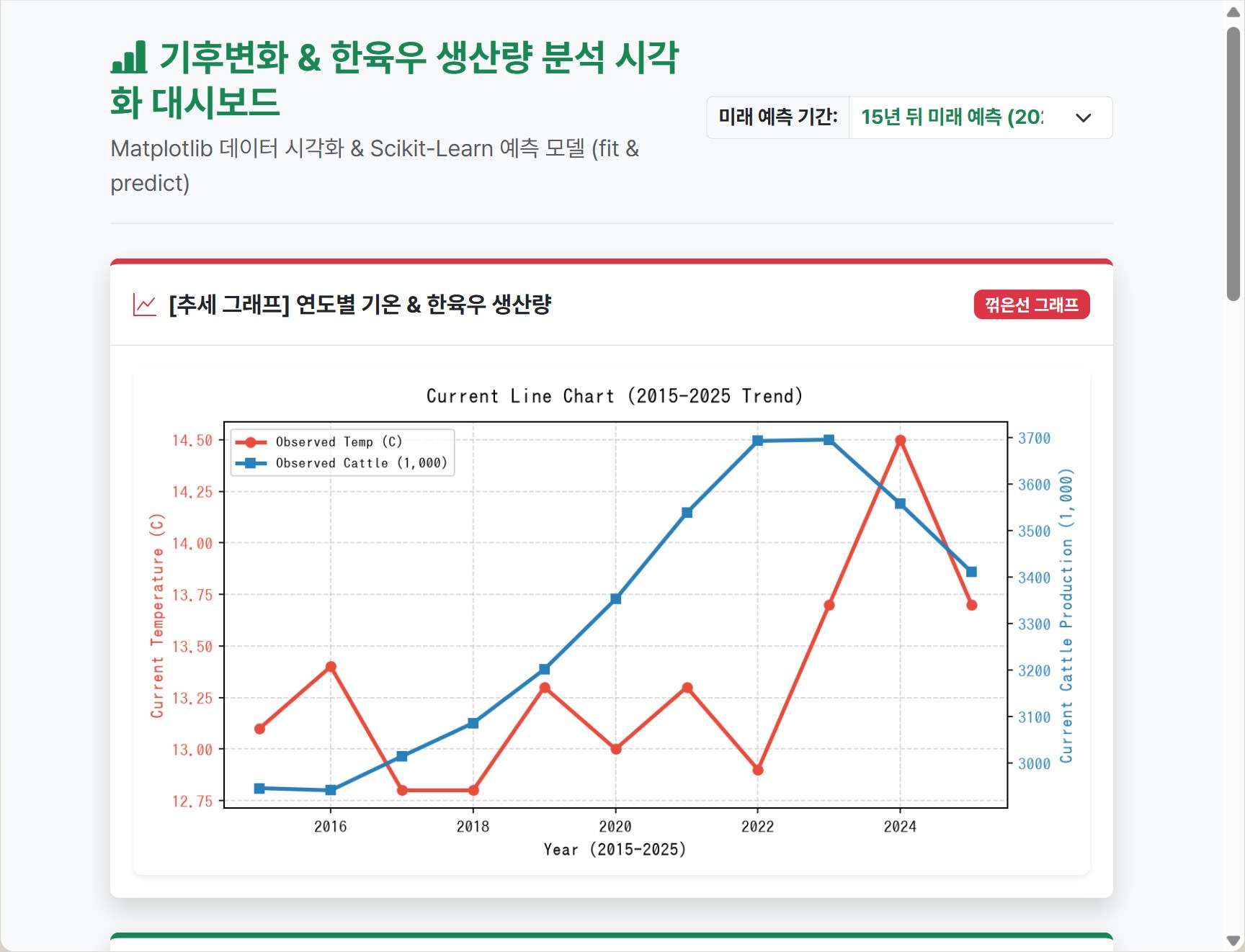
한육우 생산 추이 분석
4 students
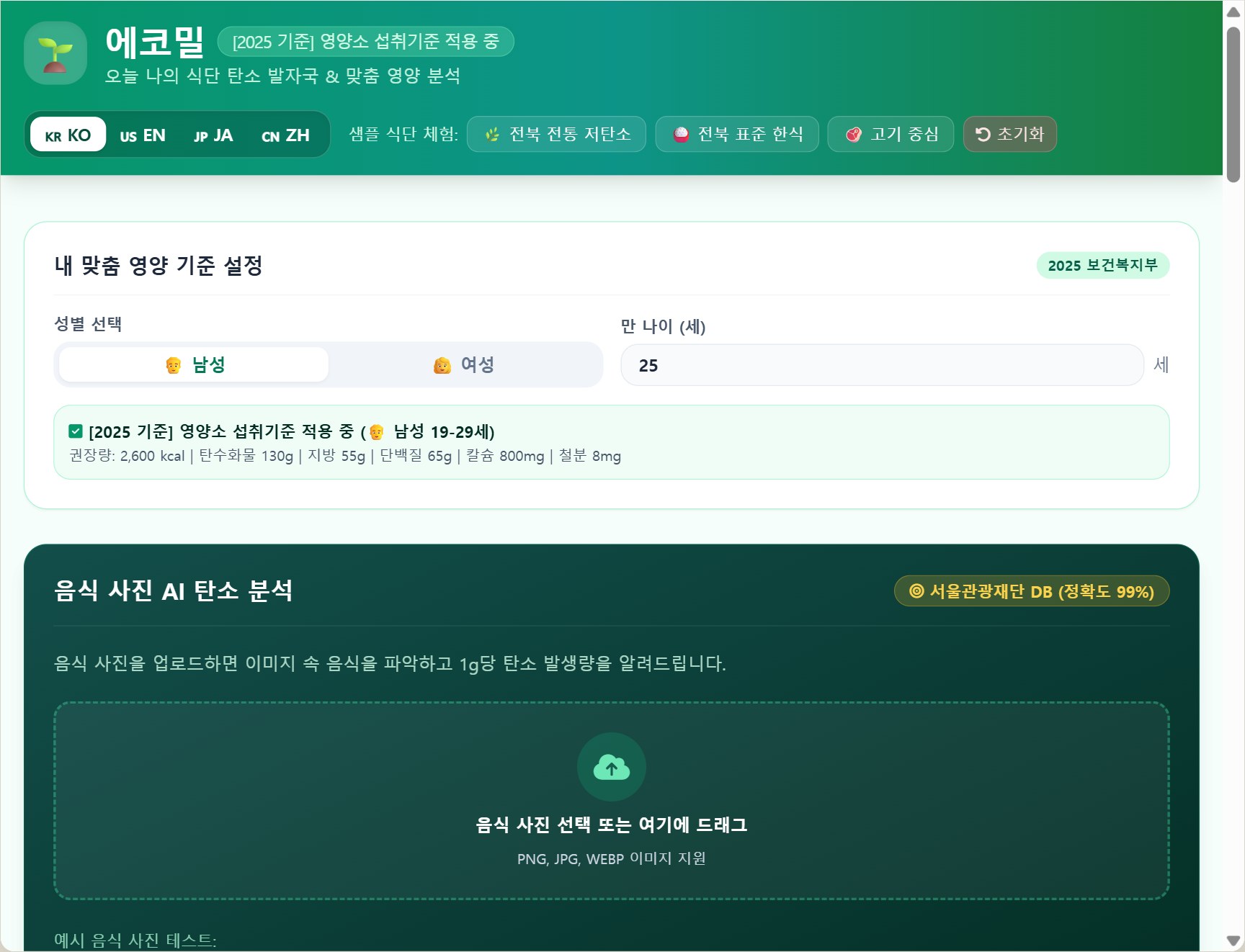
에코밀
4 students
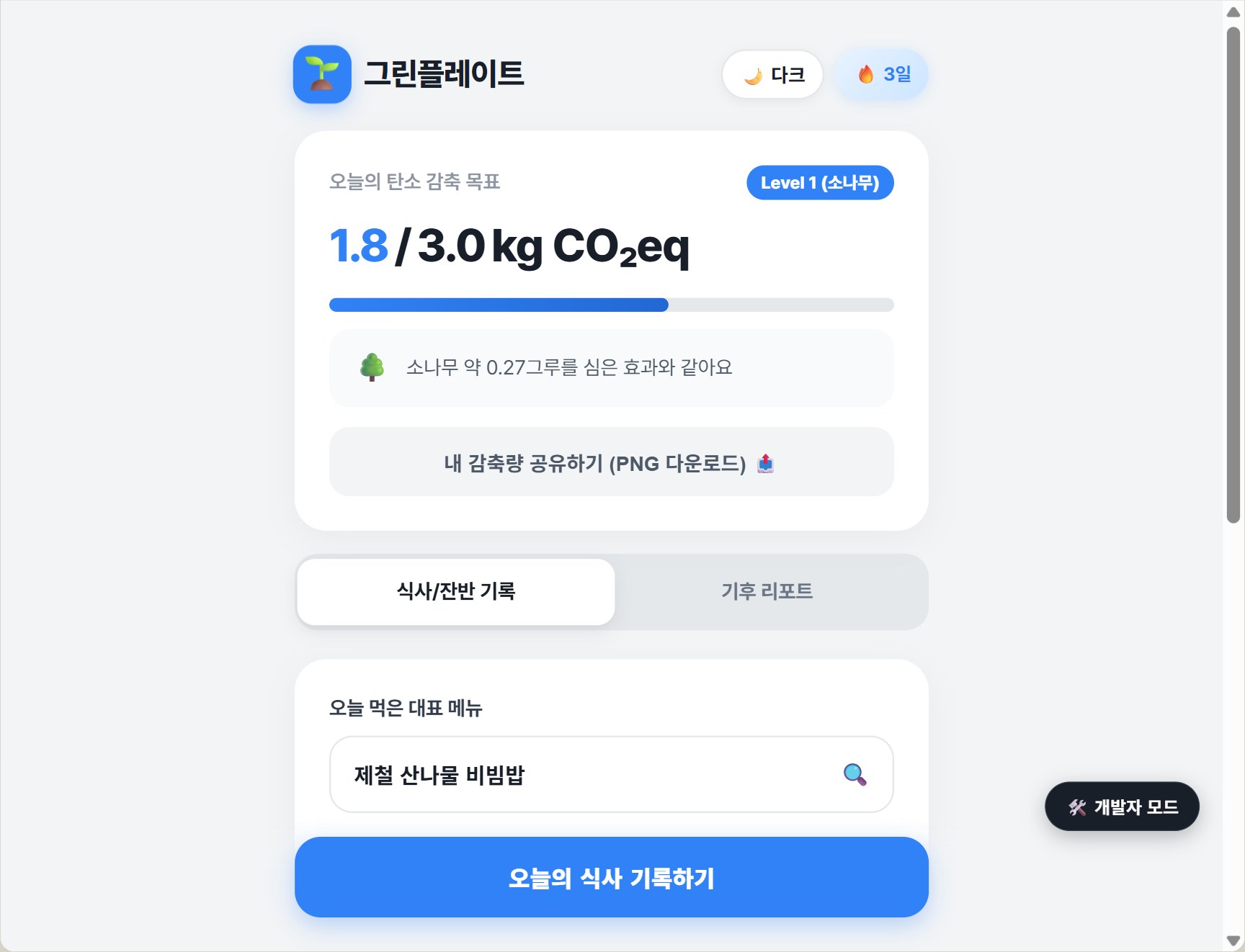
그린플레이트
4 students
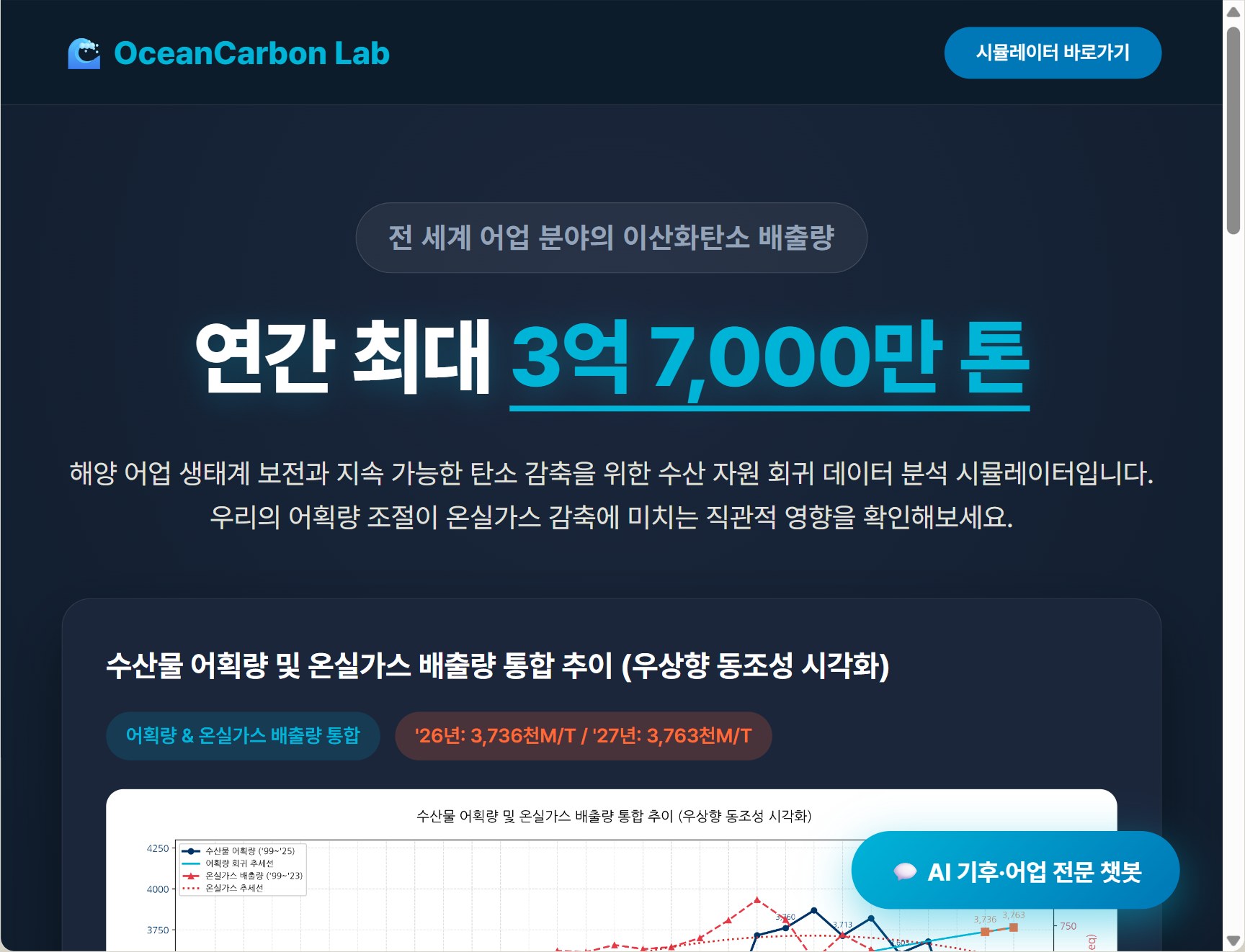
수산 자원 탄소 절감 시뮬레이터
4 students
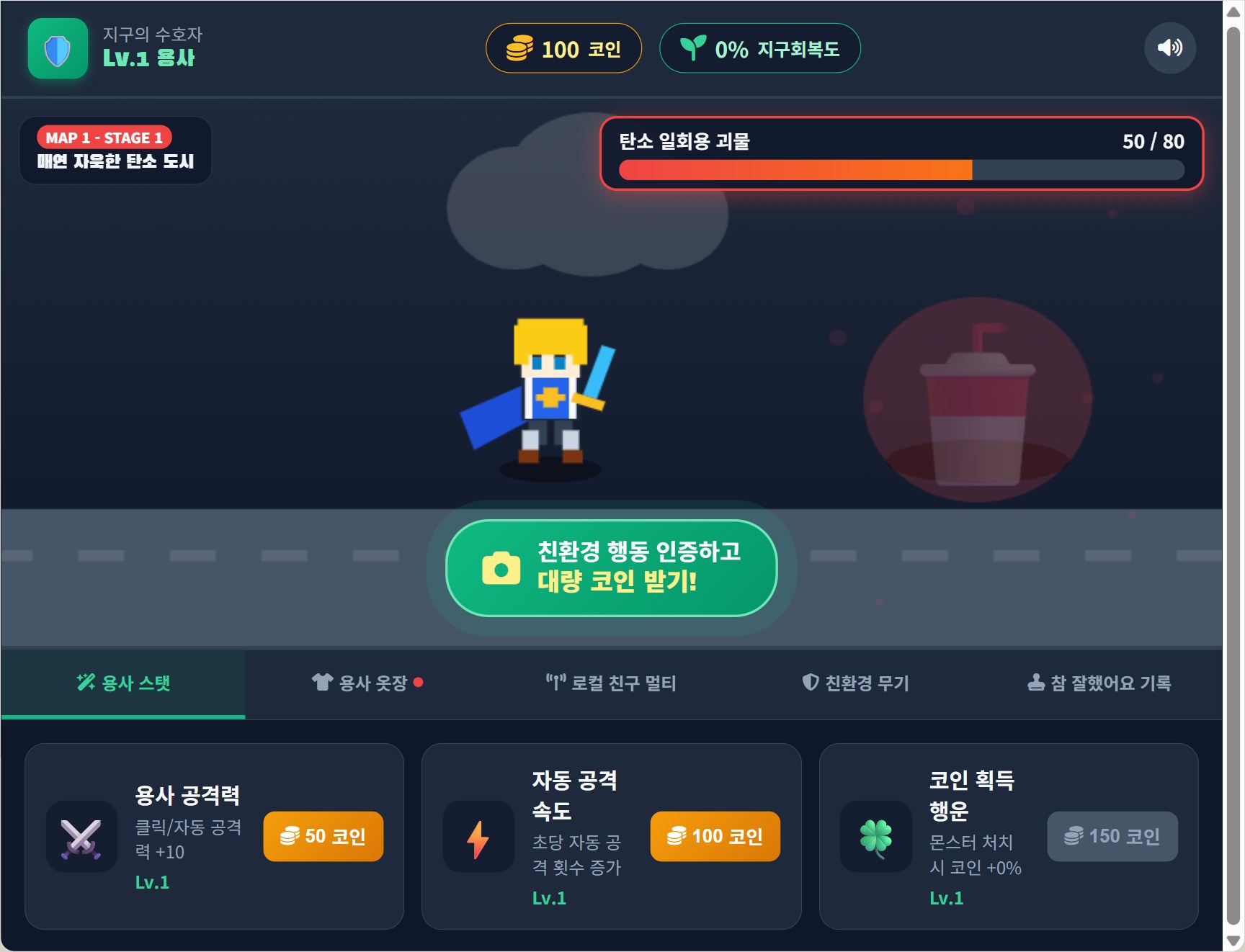
에코 가디언즈
4 students
To run it across a province
The office of education sets the direction of the camp,
and Jitda runs it.

What the Jeonbuk State Office of Education decided was the theme of the camp and who it was for.
Designing the pre-training, assigning teams, shaping the day, supporting the build, running the presentations and judging for 28 teams, publishing the work — Jitda took all of it.
The supervisor in charge had nothing separate to prepare on the day.

No coding background needed

Because you build by talking with an AI, no prior programming is required. There is no need to narrow it to a club or to students taking informatics — you can recruit across the whole province.

Province-wide recruiting and team assignment

We split the 112 students who came from across the province into 28 teams, and designed the schedule from the pre-training to the main day around the middle- and high-school tracks.

A build environment with nothing to install

The students only had to open a browser. There was no need to match the different PC specs or install permissions at each school.

Present it as built, then publish it

The app built in the morning went straight onto the stage in the afternoon. When the camp ends, each team’s project goes straight to the gallery, ready to use in the report on the event.

The camp that day

Saturday, August 1,
a day in Jeonbuk

They built in the morning and presented in the afternoon.
A day when all 28 teams moved to the same rhythm.

Students gathered in the auditorium opening their laptops as the camp beginsCamp begins
Students at the same table building their team’s app on laptopsBuilding in teams
An instructor standing at a student team’s table, looking at the screen with themSupport on the floor
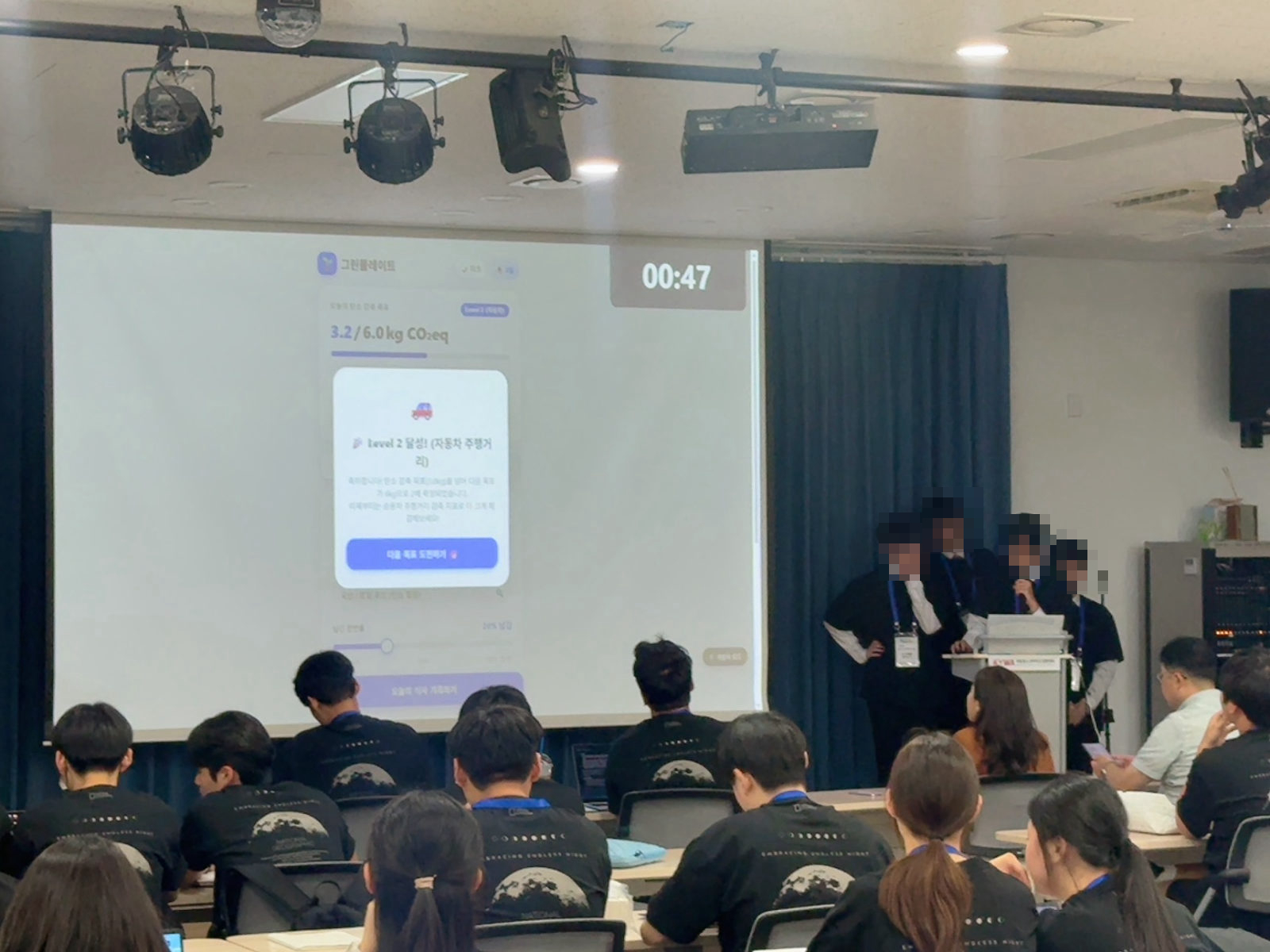
A student team’s app on the auditorium’s main screen during their presentationAll 28 teams present
A student team demoing their app at the podium, with the remaining time shown on screenPresenting · demoing
Judges watching a team presentJudging
Contact us

The next office-of-education hackathon,
Jitda builds it with you.

From a single school to a whole province, tell us who it is for, how big it is, and what you want from it, and we will design the whole operation.
Leave your details and we will be in touch quickly.

What you send is used only to follow up on your inquiry.
Curious about the other events we have run? Browse more case studies