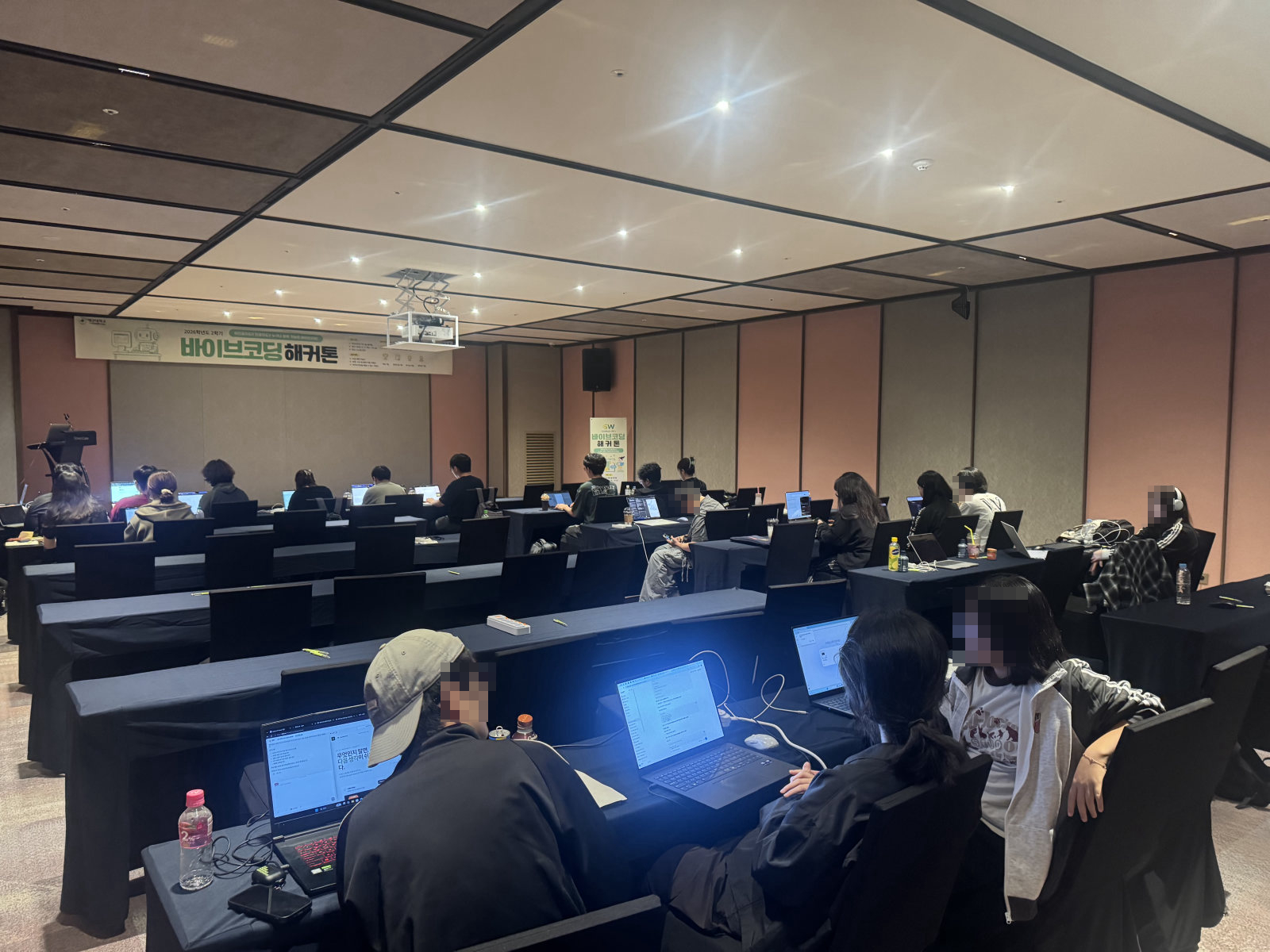
Participants building apps on laptops in the venue after 8pm, with the vibe coding hackathon banner on the back wall

40 students
from any major
built 13 apps
in one night.

Daegu University's SW-Centered University program opened entry to ‘any enrolled student’.
With vibe coding, you build by describing what you want to an AI, so there was no reason to draw the line at a student's major.
Over two days in Gyeongju from September 17, 13 teams worked through the night and took the stage the next morning with the apps they had built.

Host
Daegu University
Date
Sep 17–18Two days, one night · overnight in Gyeongju
Participants
0 studentsDaegu University students · any major
Completed
0 teams12 teams of 3 · 1 team of 4
Run by
JitdaTraining · on-site build support
Schedule
Open theme · chosen by each team

Building started at 3pm
and ran until 11am the next day.

The first morning and early afternoon went to vibe coding pre-training and the Jitda tutorial.
From 3pm the teams started building, stopping only for an hour at dinner, and kept going through the night.
From 11am the next day, the 13 teams presented one after another.

Sep 17, 11:00–12:00

Pre-training

A vibe coding lecture by a lead instructor who works as a developer

12:00–13:00

Lunch

13:00–15:00

Pre-training · Jitda tutorial

Learning how to use Jitda

15:00–18:00

Hackathon begins

Each team picks a topic and starts building

18:00–19:00

Dinner

19:00 → Sep 18, 11:00

Overnight build

16 hours of building straight through

Sep 18, 11:00–12:00

Presentations · judging

13 team presentations · awards announced later

The theme of this hackathon
“An open theme, starting from everyday annoyances”

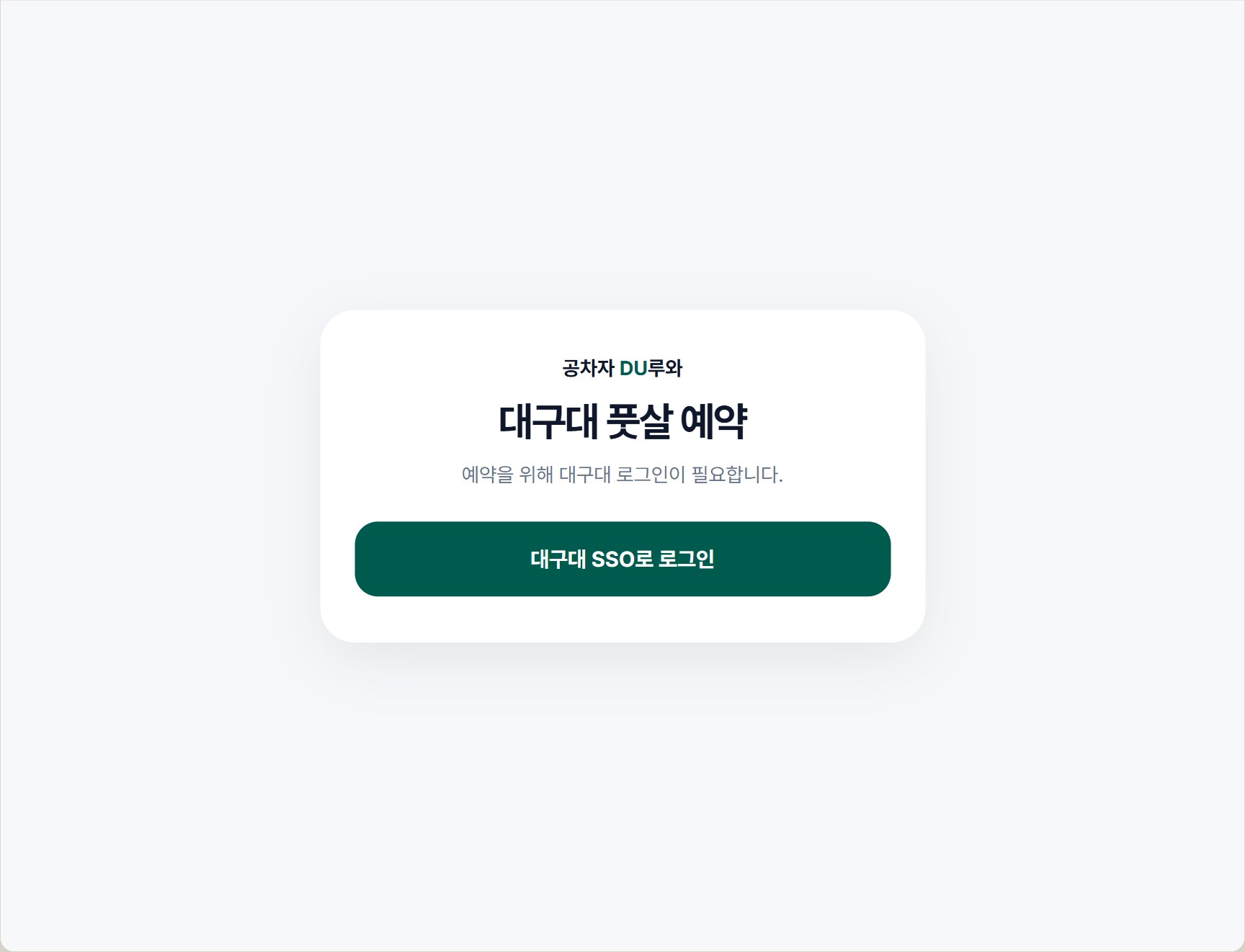
With no theme handed to them, five teams chose apps for Daegu University students.
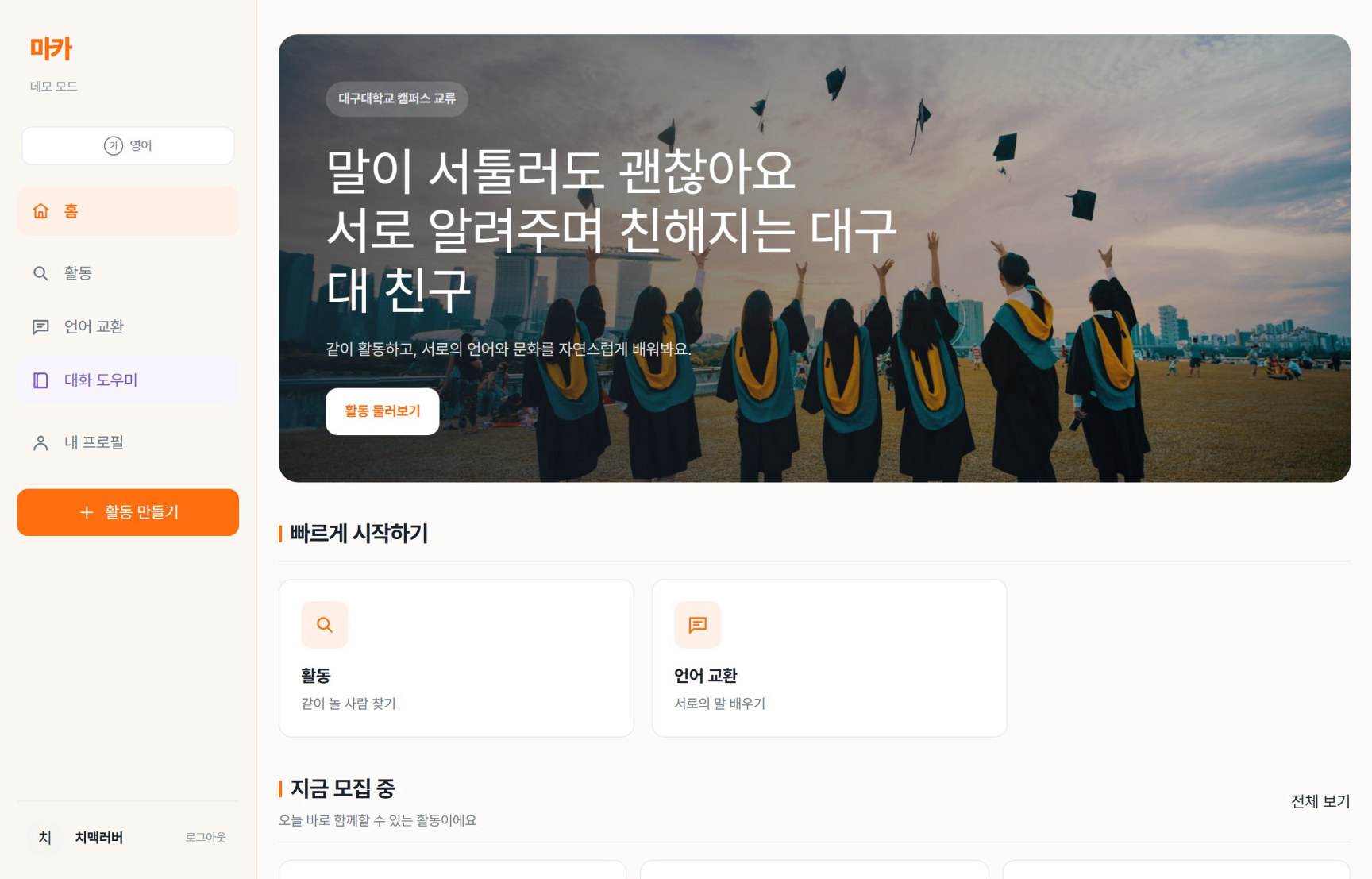
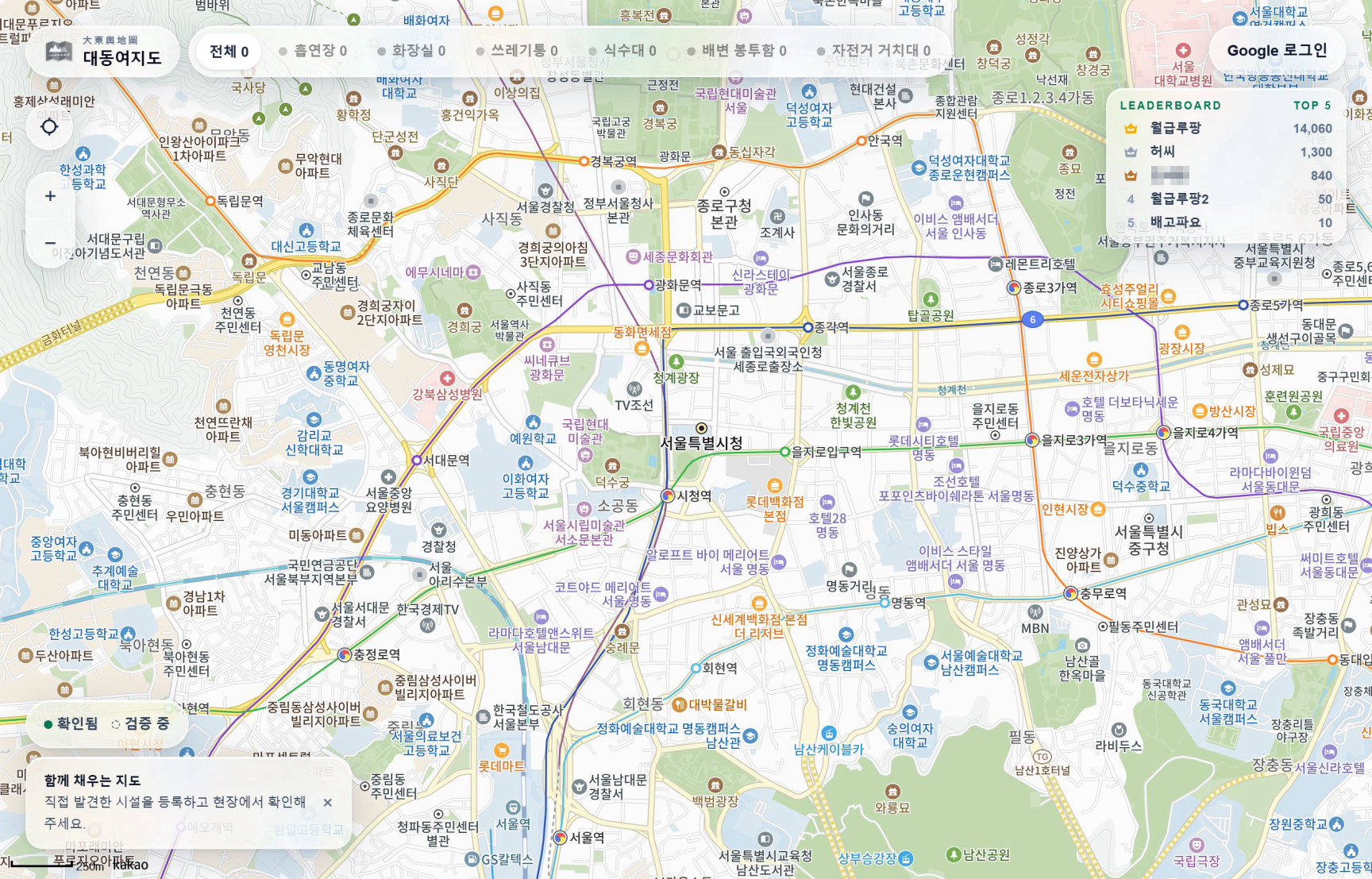
Finding friends to hang out with international students, booking the futsal pitch, a map for lost items and broken facilities, recruiting teammates for campus events, and a record of university life.
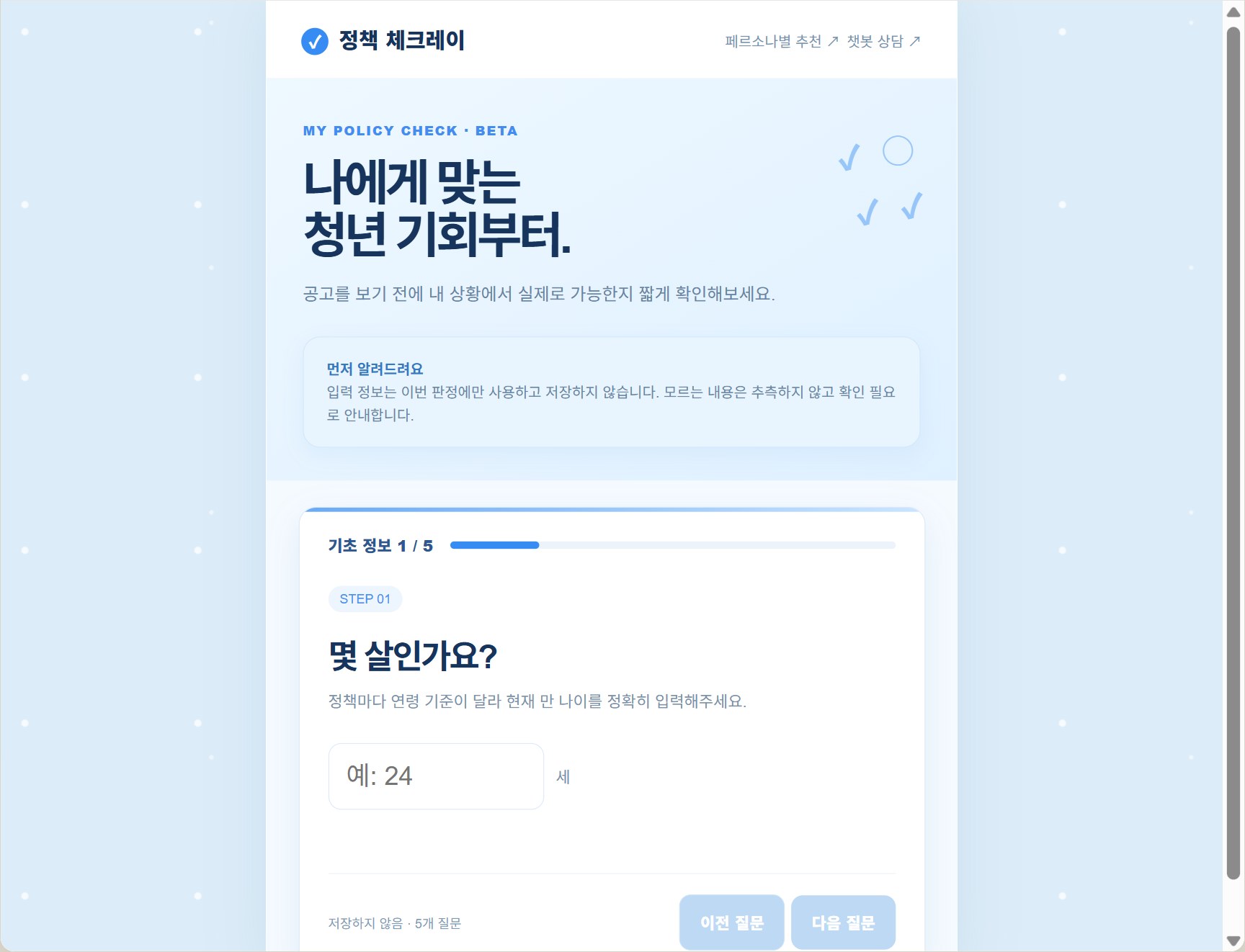
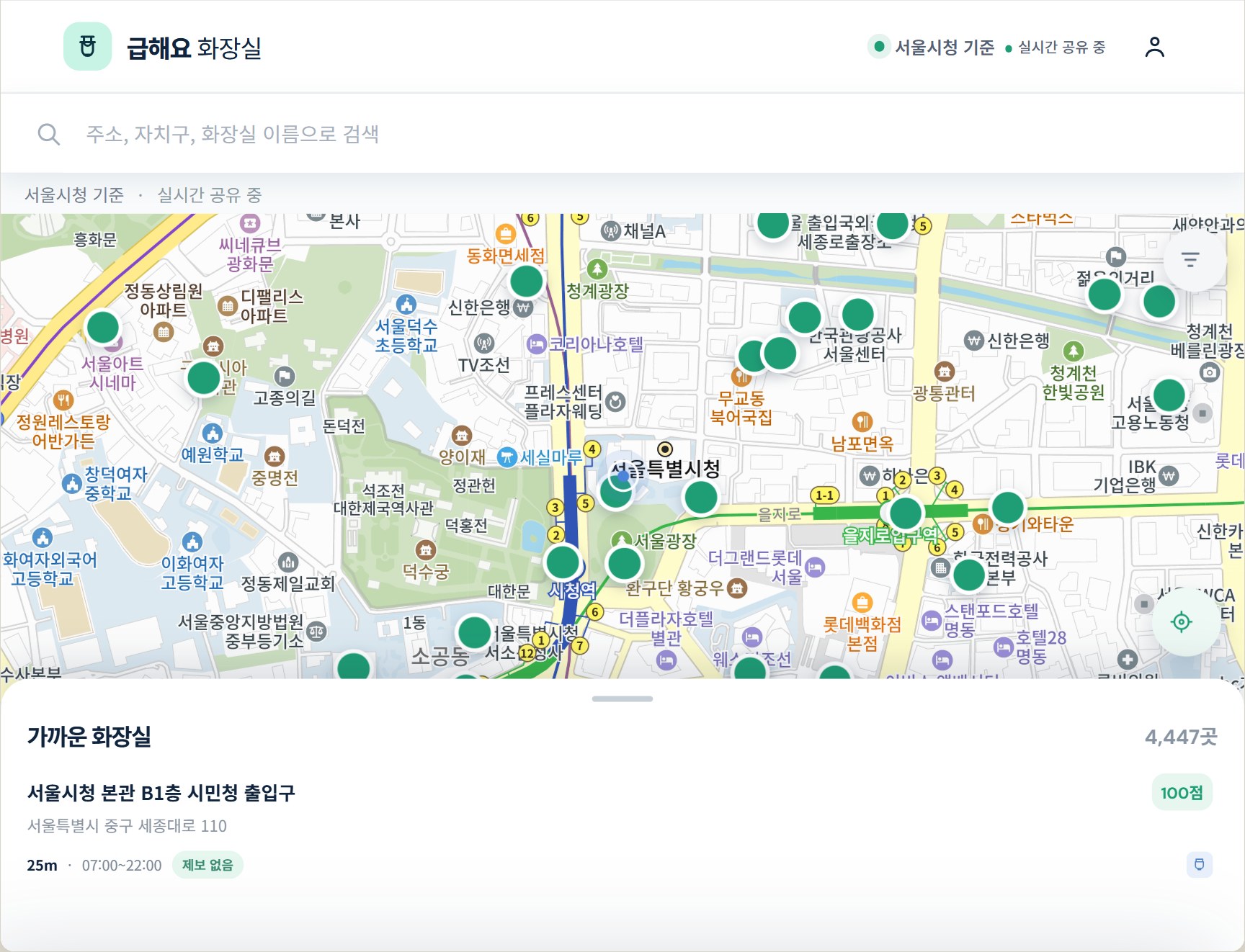
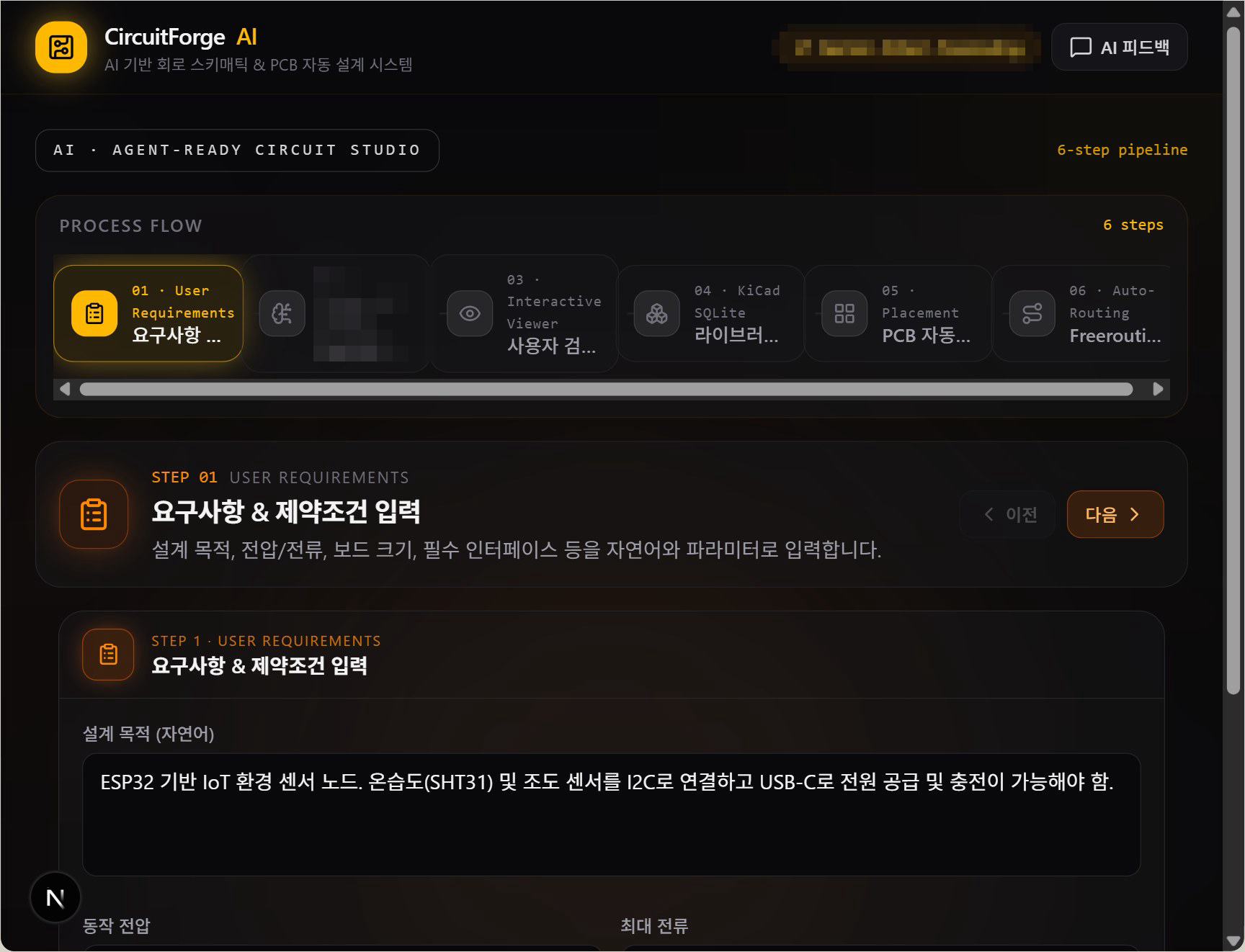
The other teams picked problems they had run into in daily life and in their majors, like finding a restroom, looking up youth policies, and automating circuit design.

What two days built
Turning problems around you into apps · building by talking with AI · teamwork · presenting
Student work

Of the 13 apps, the grand prize went to
an app that finds you teammates.

These are the projects published to the Jitda gallery after the hackathon.
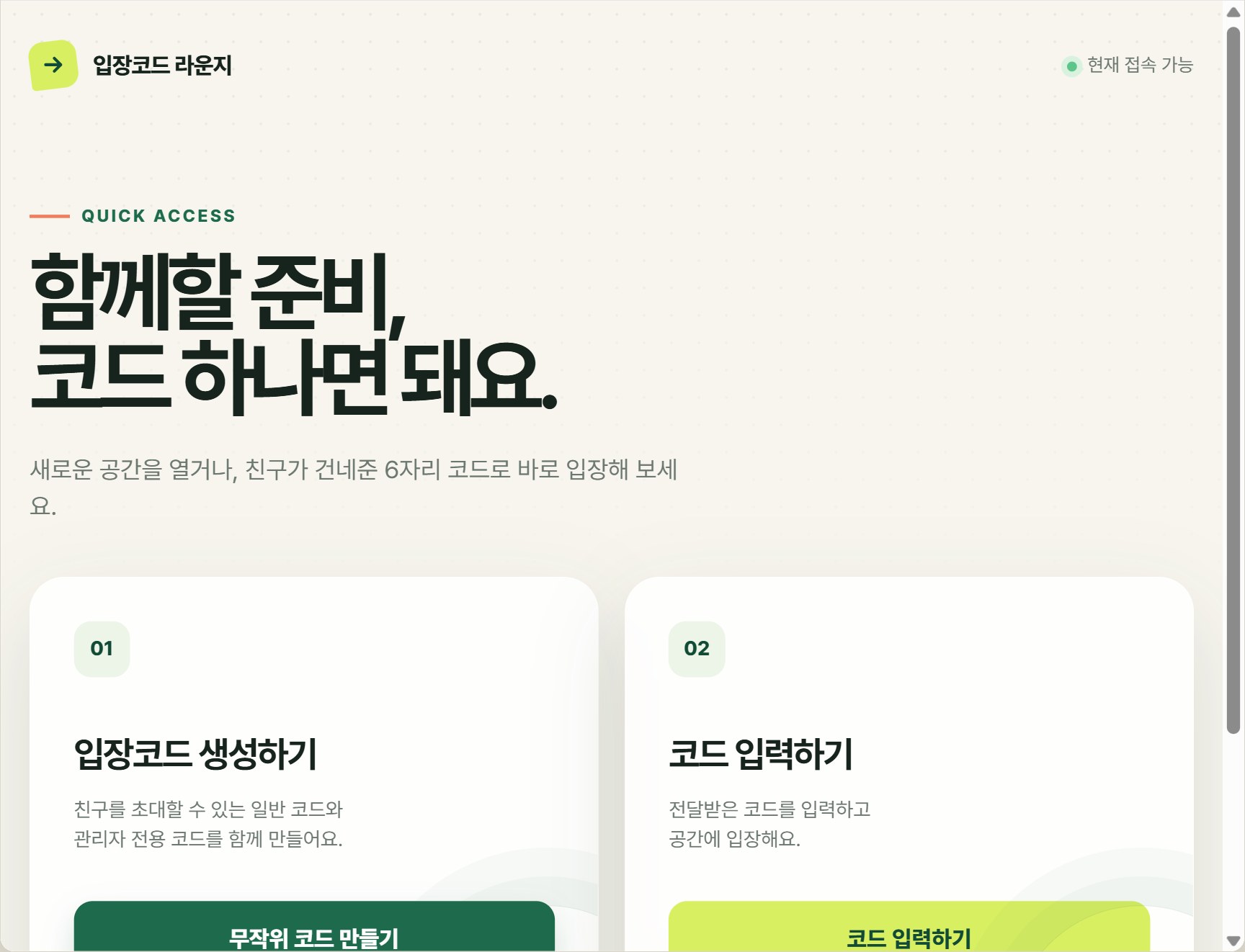
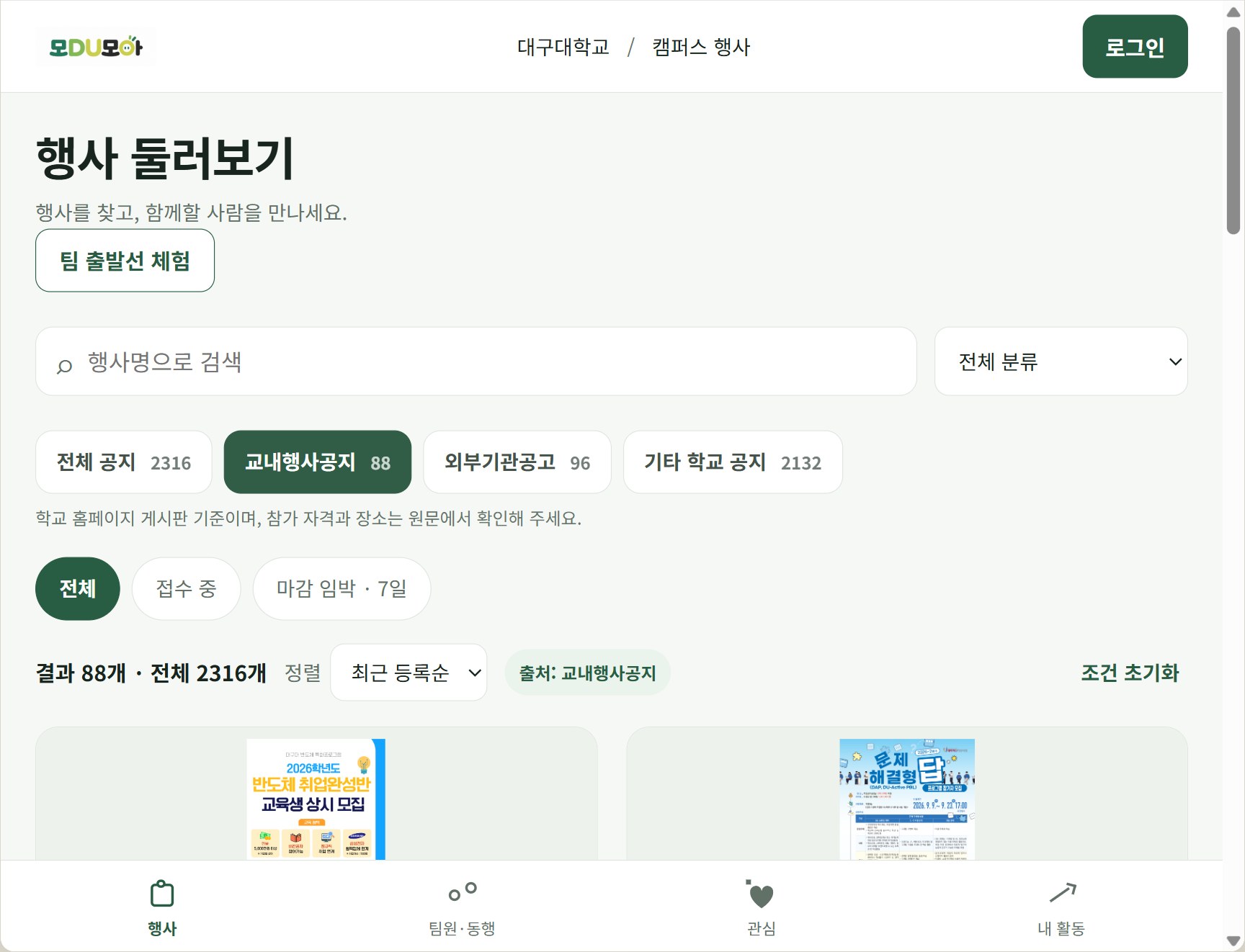
The grand prize winner, ‘모DU모아’, gathers news about on-campus competitions and helps even students who find it hard to speak up first find teammates to enter with.
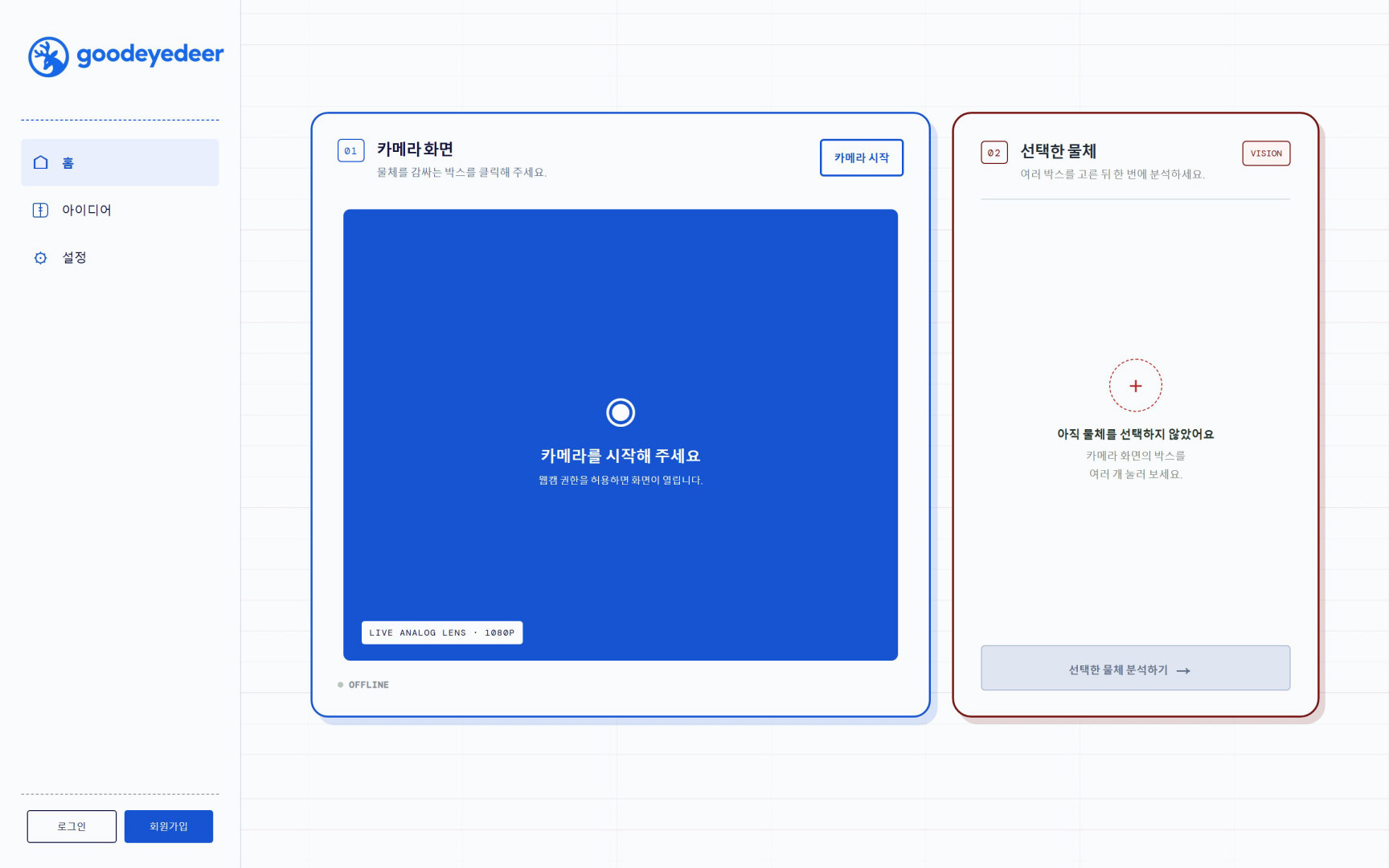
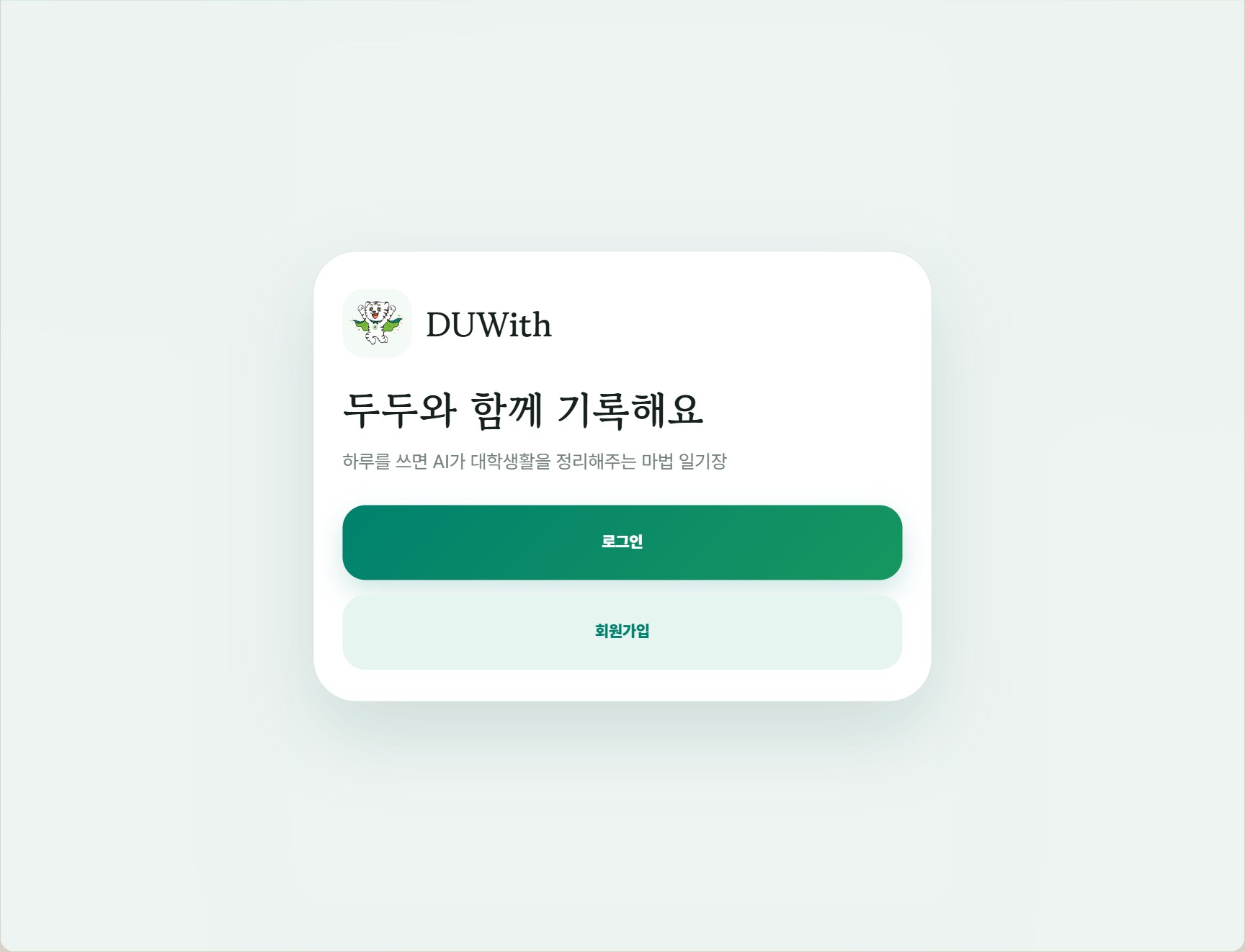
Click a card to see the real screen up close.

Grand prize
모DU모아
3 students
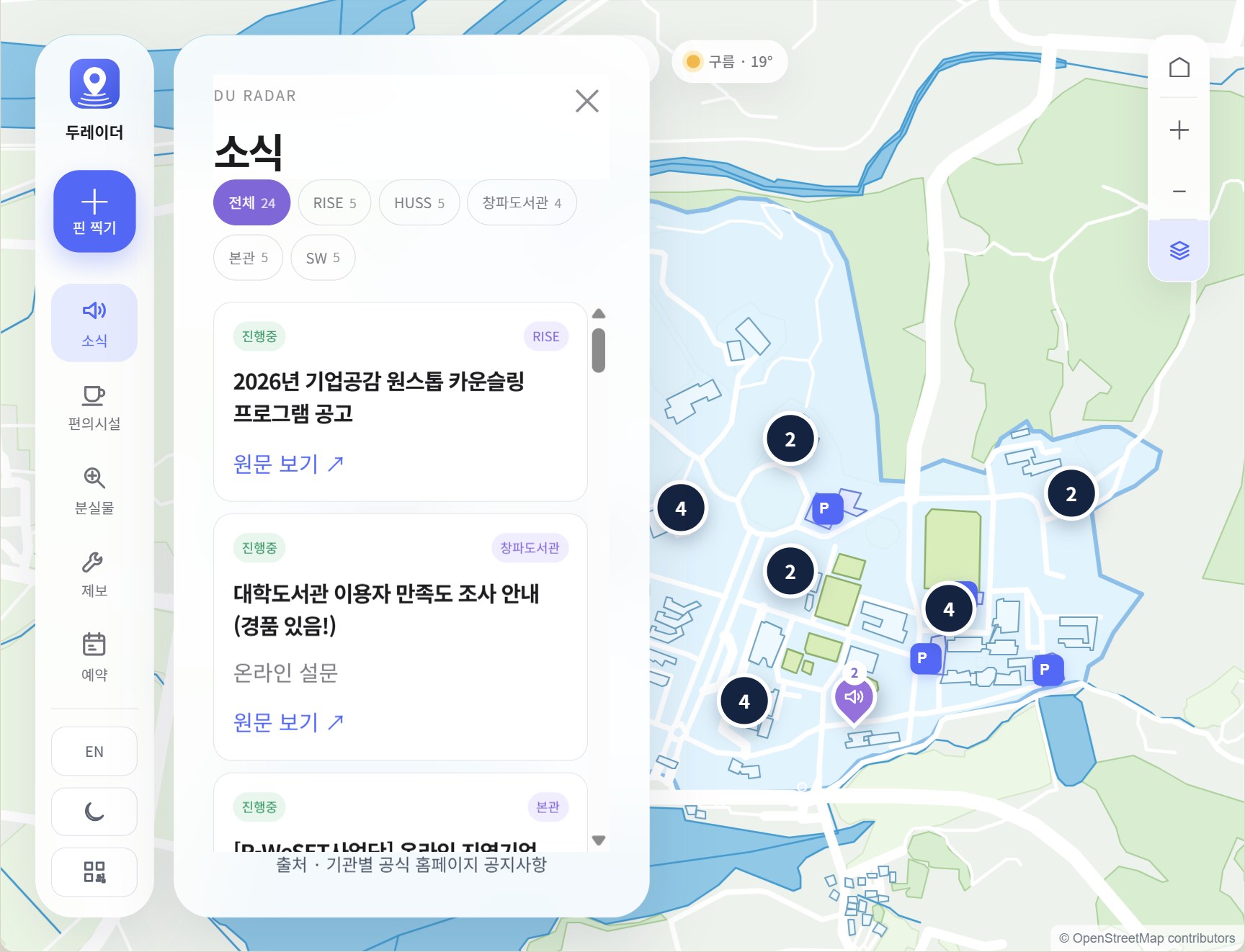
두레이더 DU Radar
3 students
마카(MAKA)
3 students
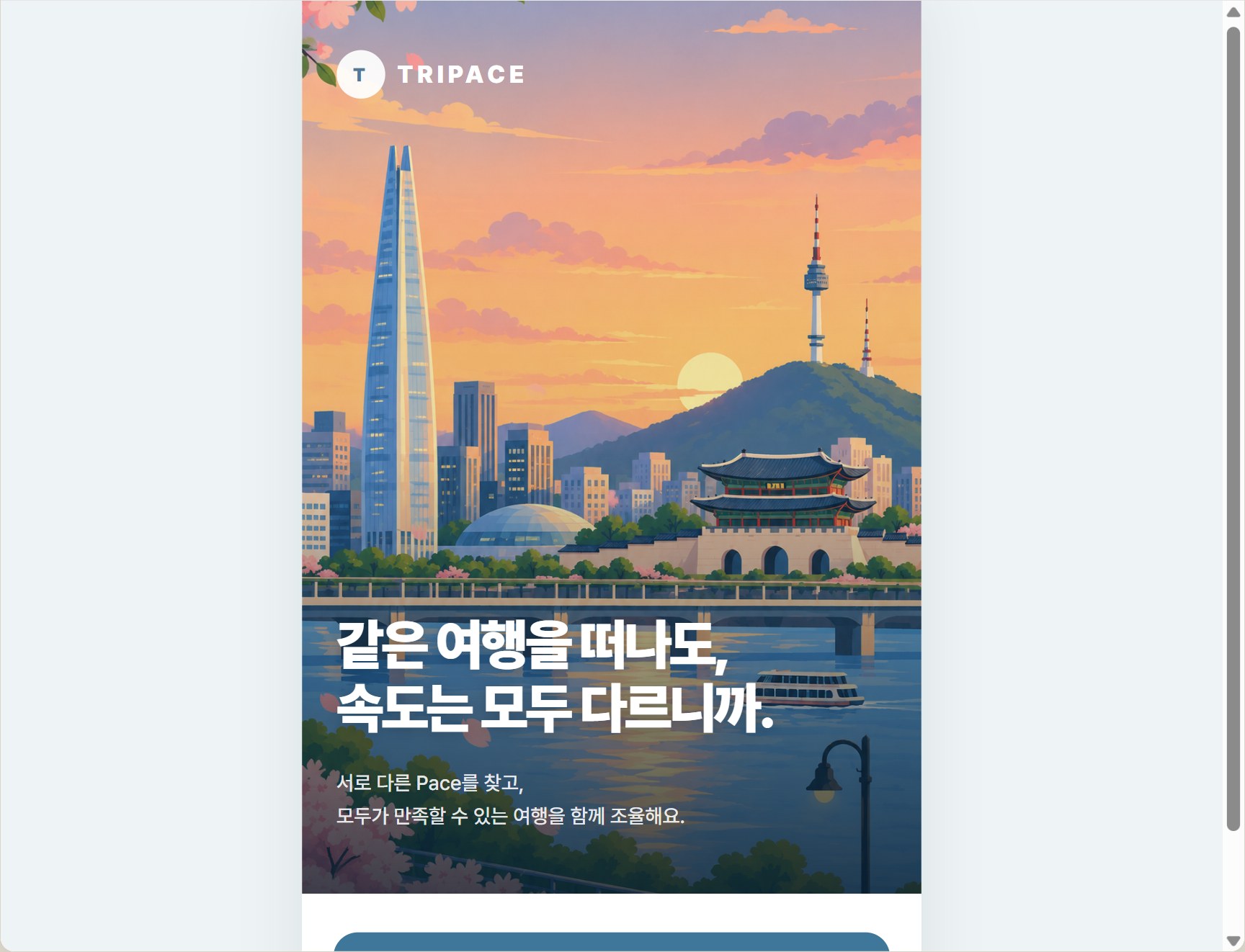
TRIPACE
3 students
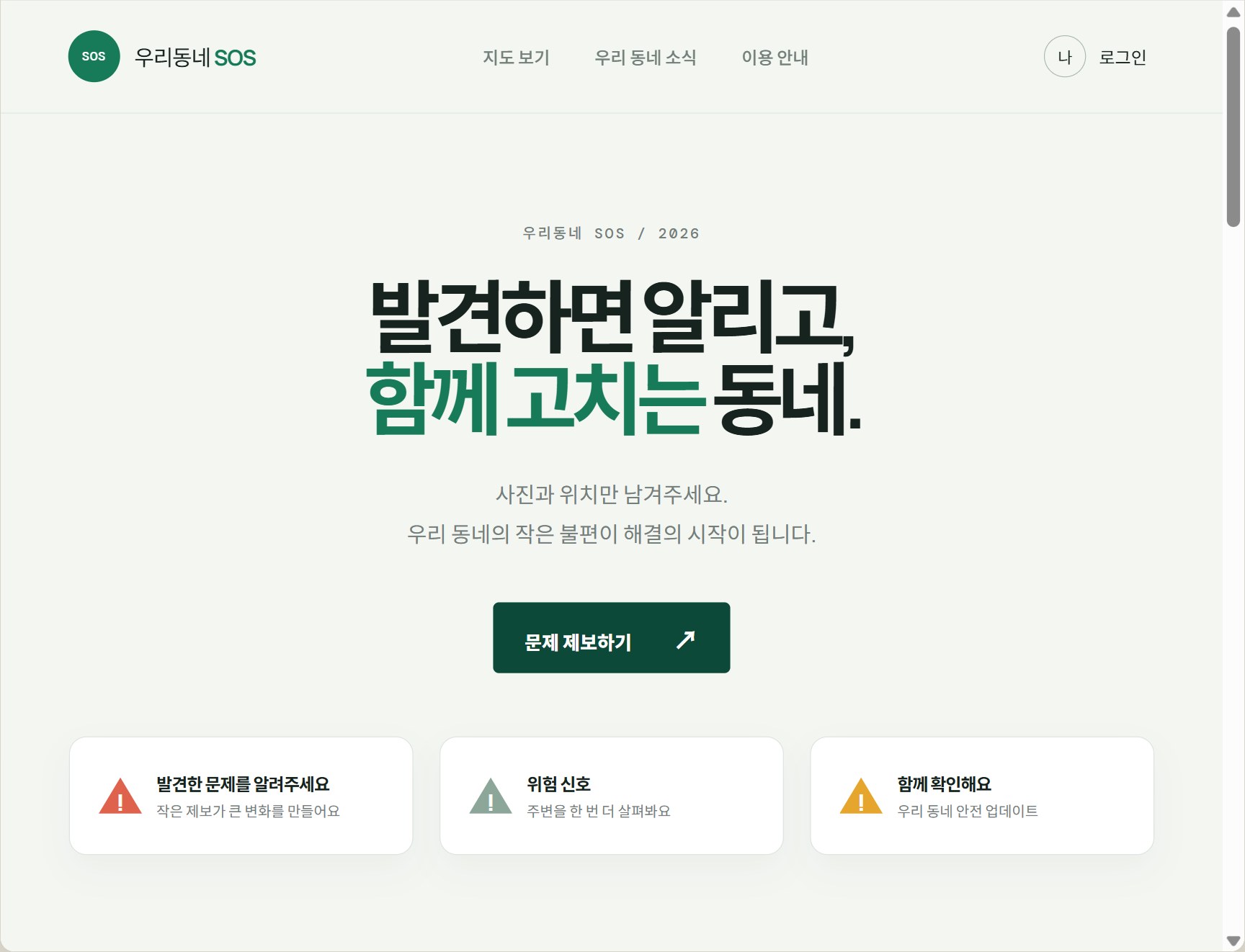
우리동네 SOS
3 students
정책 체크레이
3 students
급해요 화장실
3 students
CircuitForge
3 students
대동여지도
3 students
클립보드 협업 도구
4 students
카메라 아이디어 발상
3 students
DUWith
3 students
공차자 DU루와
3 students
To run one at a university
Any major,
the same starting line.

What Daegu University's SW-Centered University program decided was who could enter and the two-day schedule.
Participants were excused from their regular classes and given lodging, meals, and transport.
Jitda sent a lead instructor who works as a developer, along with mentors, to handle training and build support.
No developer tools to install and no servers to set up.

Recruiting from every department

Instead of memorizing and writing code, students describe the features they want to an AI. Even students outside SW-related departments can take part on the same day under the same conditions.

Three hours of training, then straight to building

After three hours of pre-training and the Jitda tutorial on day one, teams started building at 3pm. The lecture was given by a lead instructor who works as a developer.

Just a laptop and a browser

There was no need to install developer tools or rent a server. Even with the overnight venue off campus, building starts as soon as there is internet.

Every app gets its own address

All 13 apps went up on stage at their own address. The program can paste the project links straight into its results report.

On the day

September 17 to 18,
two days in Gyeongju

Each photo's label includes the time it was taken.
Flip through them in order, from the first morning's pre-training to the group photo on the second afternoon.

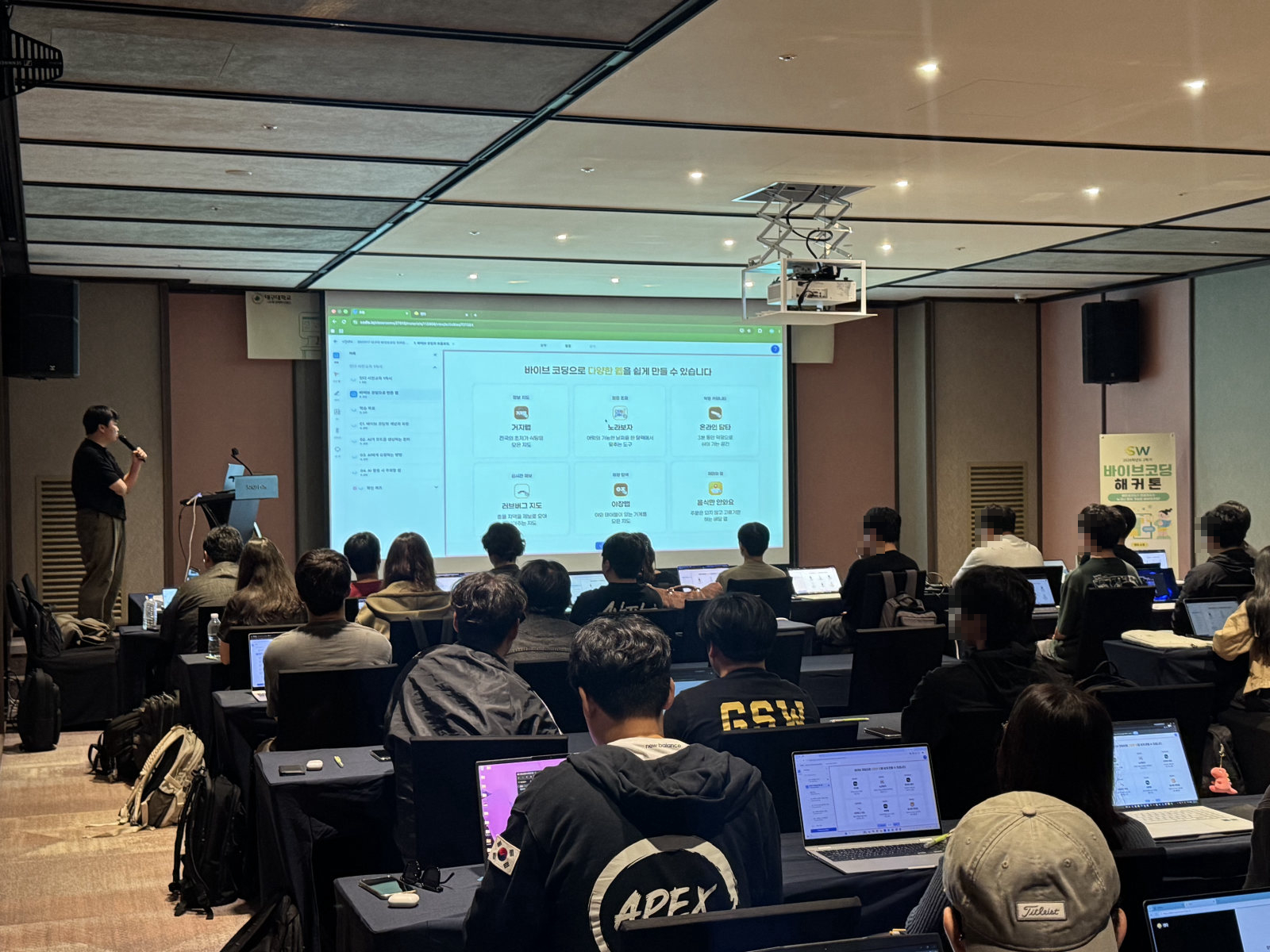
A lead instructor who works as a developer explains example websites you can build with vibe coding from beside the stage, while participants listen with laptops openPre-training · Sep 17, 11:16
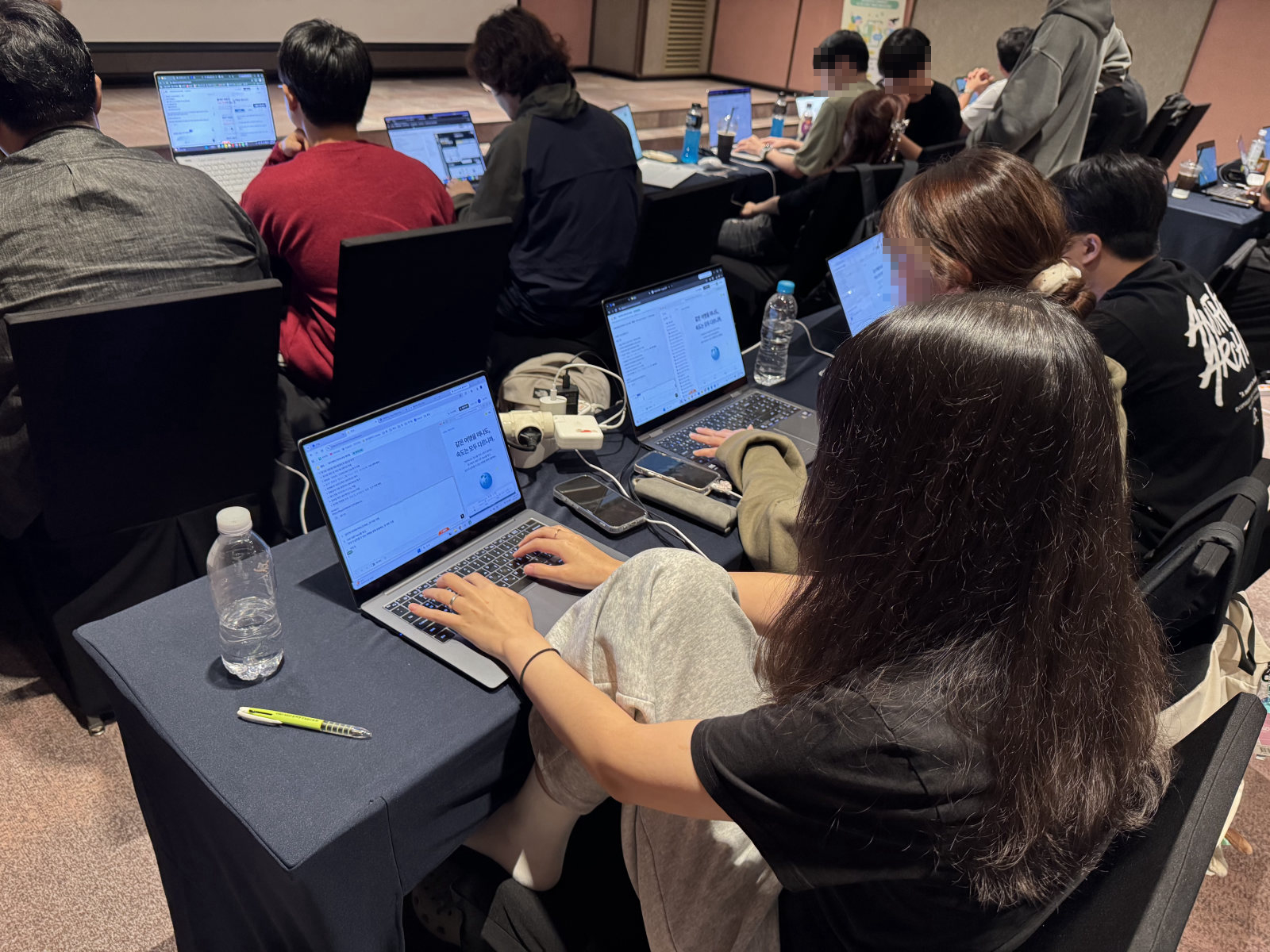
A participant with hands on the keyboard building the team's app, with teammates beside them each looking at their own screenBuilding begins · 15:46
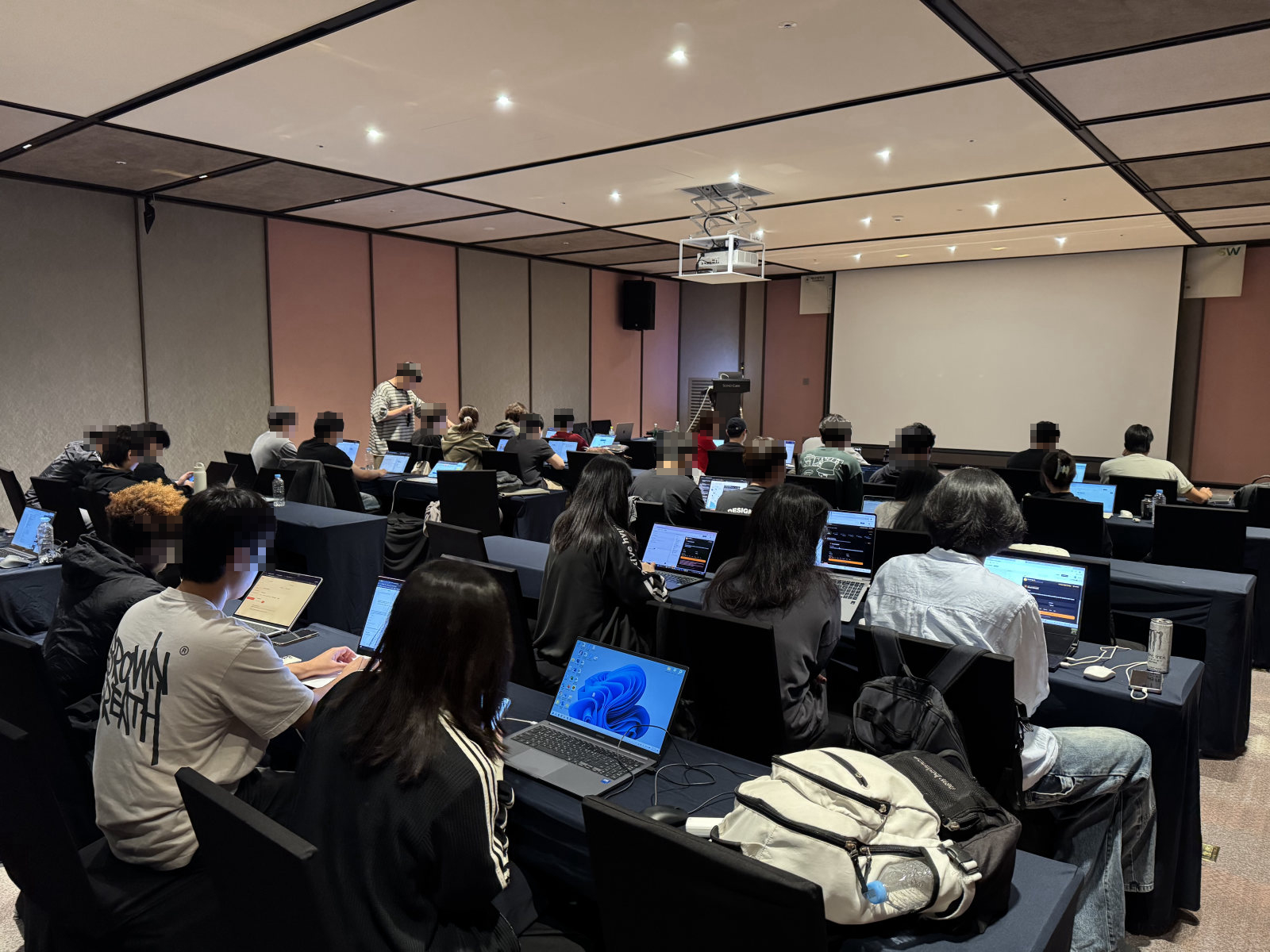
Participants still working on laptops in the venue after 8pmOvernight build · 20:15
The morning before the presentations, participants making final fixes in the venue while one person stands and helps a teamFinal touches before presenting · Sep 18, 10:42
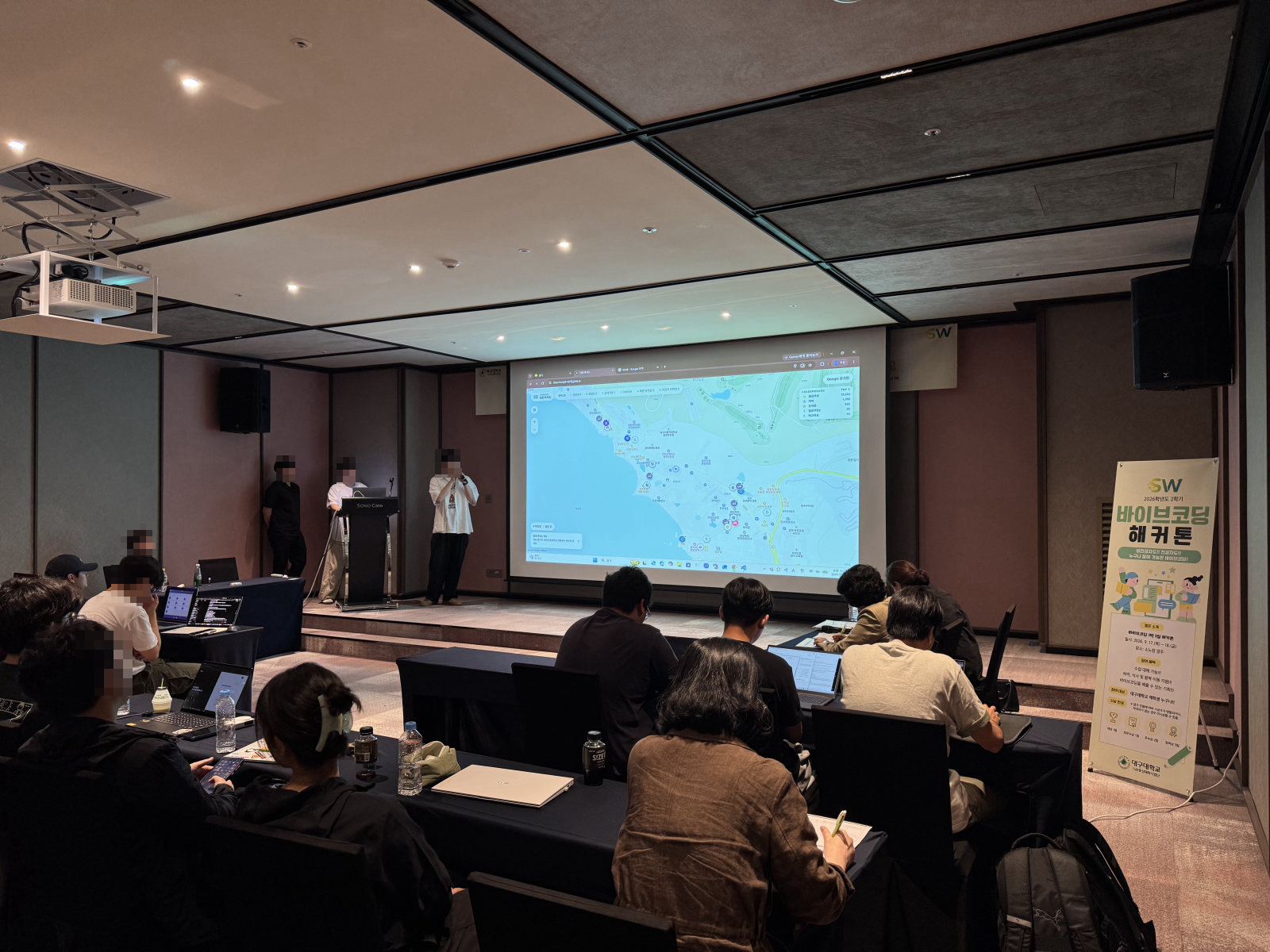
A team of three presenting a map-based app on the big screen on stagePresentation · 11:28
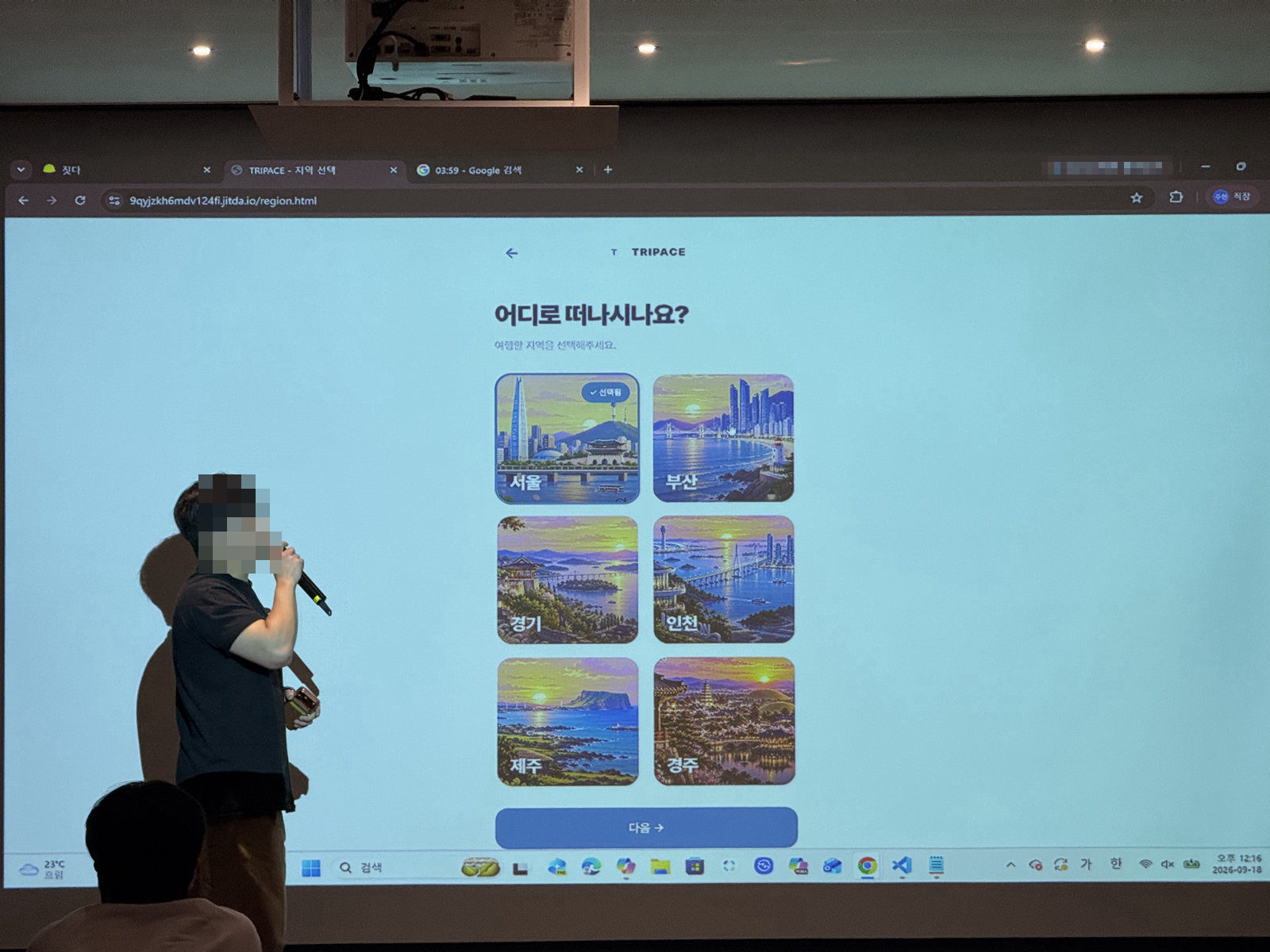
A presenter holding a microphone demos the region selection screen of TRIPACE, a travel itinerary matching appDemo · 12:16
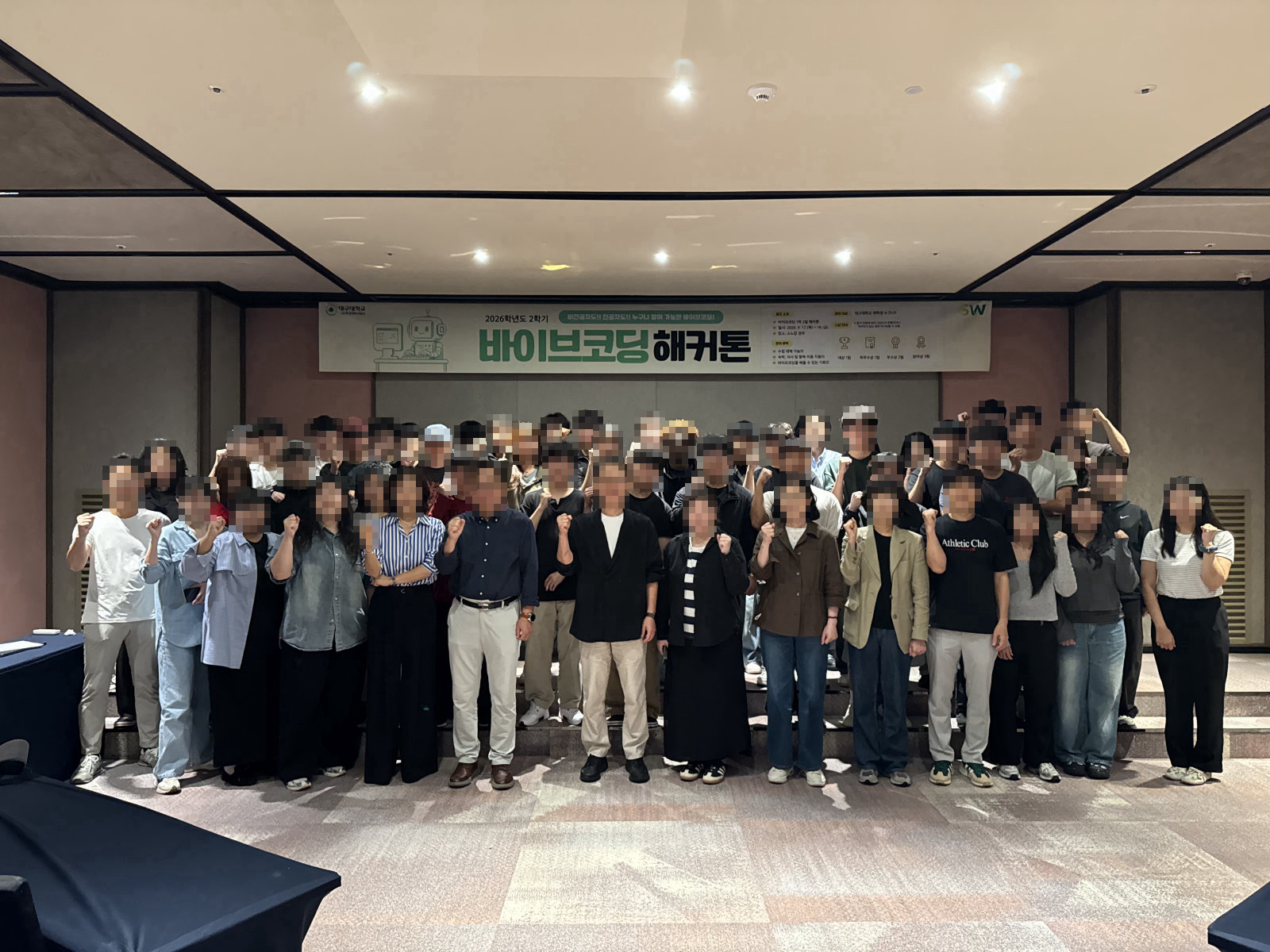
A group photo of participants and staff in front of the vibe coding hackathon bannerGroup photo · 13:23
Contact us

A hackathon open to every student,
run one at your university too.

Just tell us the number of participants, the schedule, and whether it is an overnight event, and we will put together a training and on-site support plan.
Leave your details and we will be in touch quickly.

What you send is used only to follow up on your inquiry.
Curious about the other events we have run? Browse more case studies